
The Great Flattening: Why Taste, Story and Proof Beat Sameness in the Age of AI

The Great Flattening has arrived in two ways, and only one of them is the algorithm’s fault.
The first is being done to us: platforms rewarding sameness until every feed looks the same. The second we’re doing to ourselves: reaching for AI to make the creative decisions we used to make ourselves. Both are worth understanding, because the fix for one isn’t quite the fix for the other.
Flattening #1: what the algorithm is doing to us
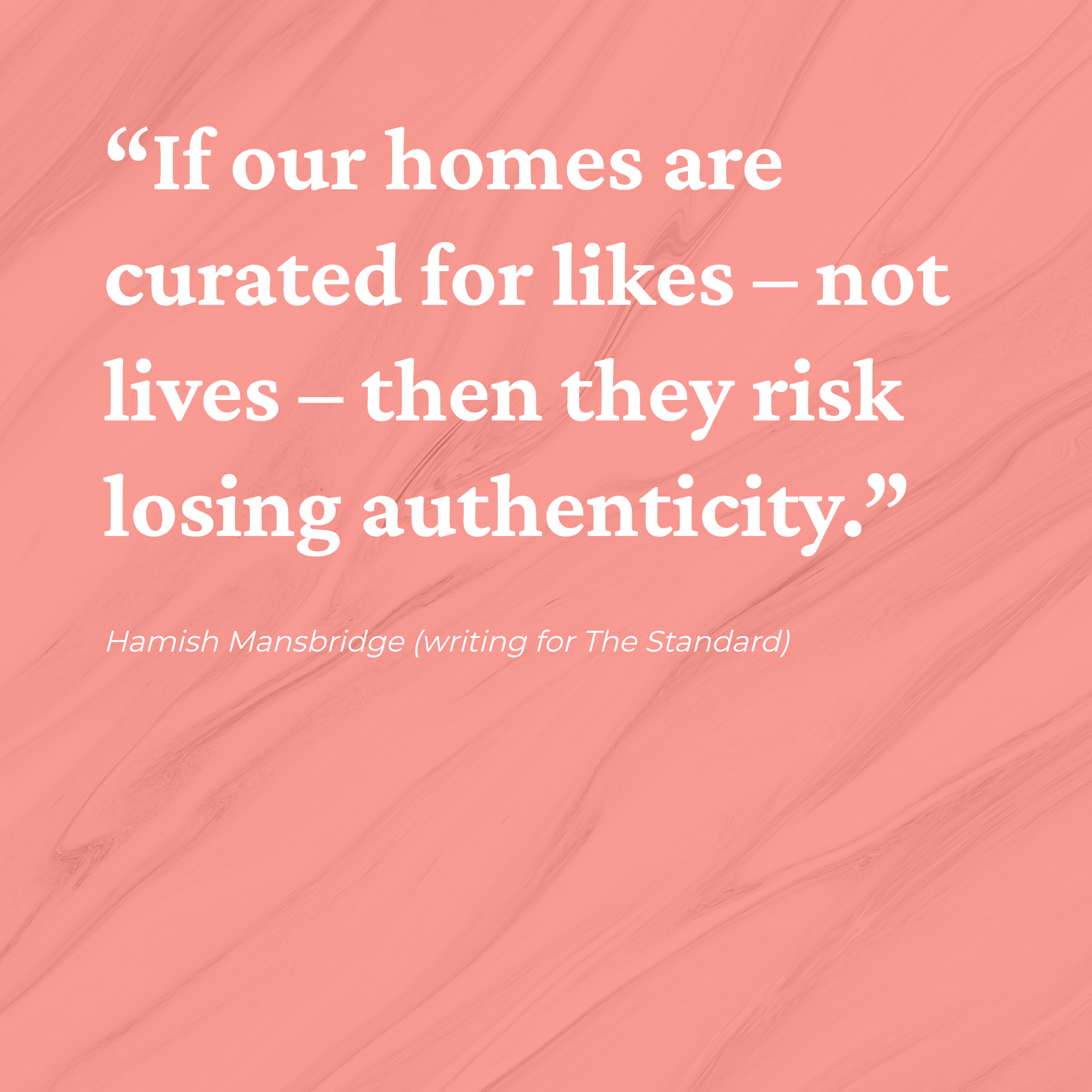
Pattern-matching and predictability - that’s the world we’re living in now. And it’s gradually smoothing away our sense of what it means to be truly individual.
In an op-ed for the The Standard in November 2025, Hamish Mansbridge, CEO of the 200-year-old British furniture retailer Heal’s, called this “The Great Flattening of British interiors.” It rang true then, and that bell has been sounding even louder ever since.
We’re being nudged. Subtly, and often without noticing. Signposted towards safe choices that the algorithms reward. Social media has started to dictate what makes a good brand, or a good product. And in the main, we’ve followed along, choosing (understandably, in these challenging times) the safety net of sameness over a seemingly more rebellious move to stay firm and true, at the risk of seeing likes, saves and shares plummet.
There’s an innate human tendency towards following the crowd. The digital age has only amplified it. Social media shows us what everyone else is doing and presents that as “good,” “cool,” “desirable.” And if we let AI lead the creative work too, we’re led further still towards what’s most common, and most predictable.
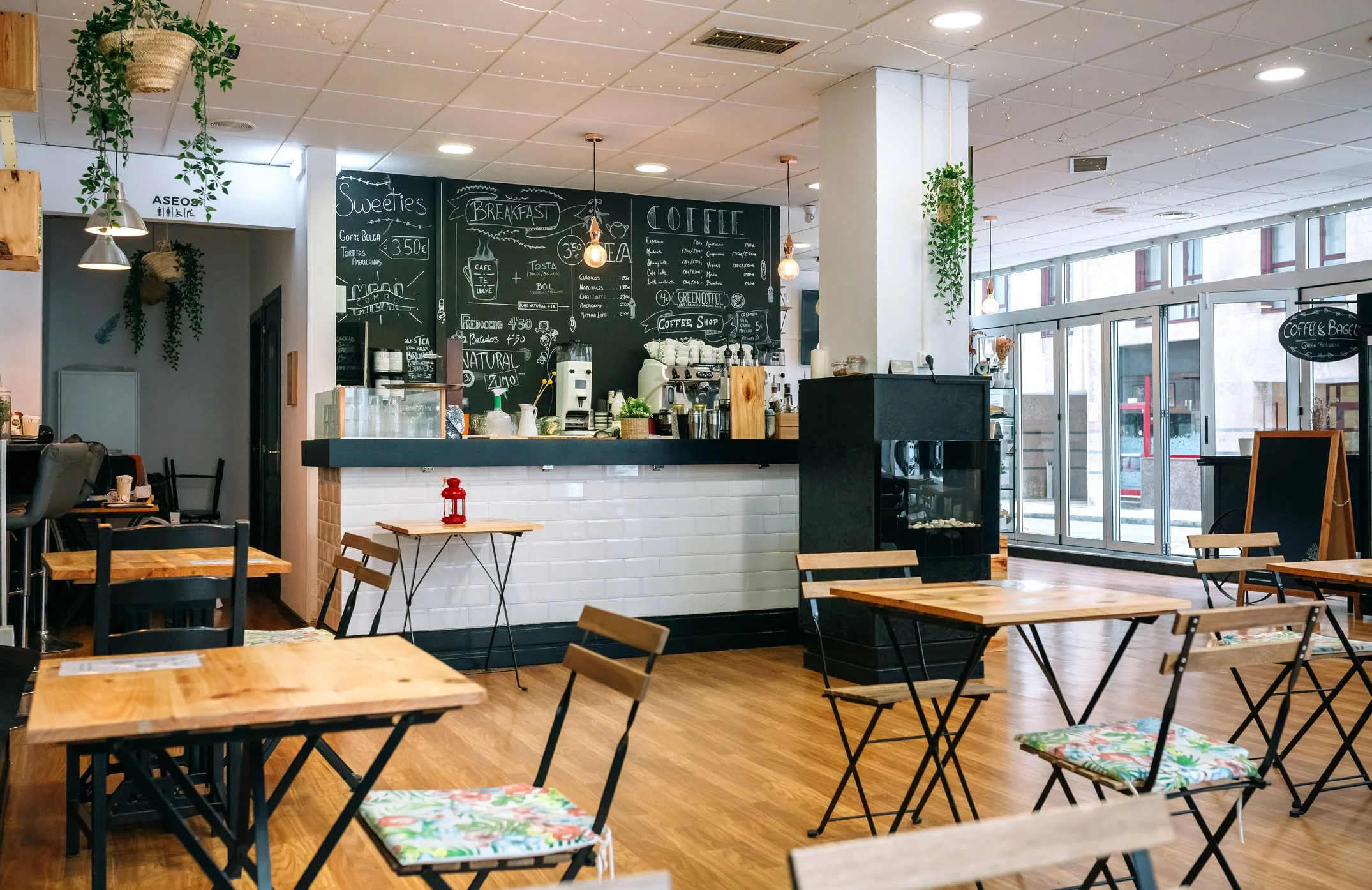
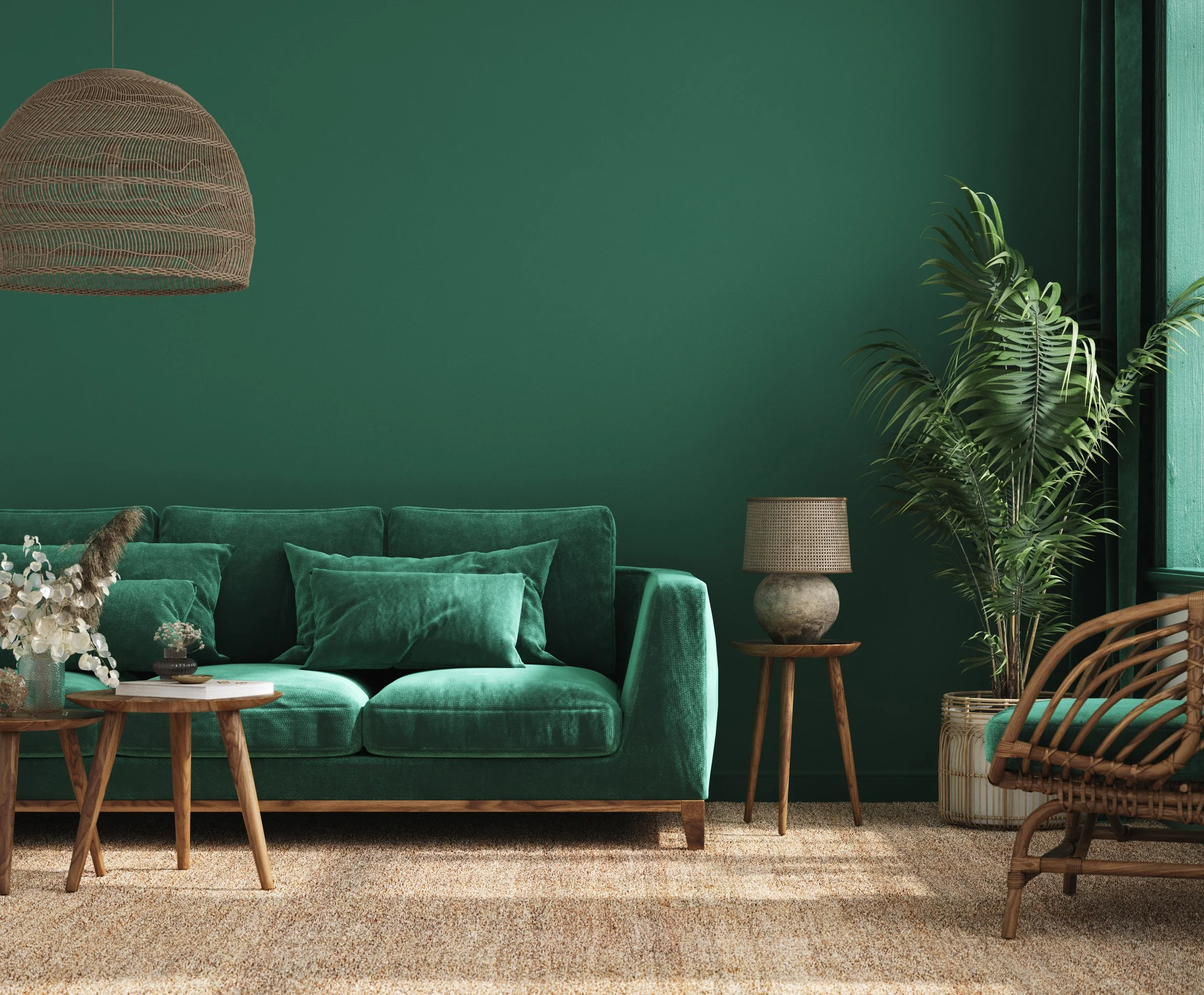
Once you’ve started seeing this, you can’t unsee it. It’s not just interiors. It’s in fashion, coffee shops, branding - everywhere. A slow but steady drift towards a world where everything is, just… fine. Pleasingly polished, “just so,” and strangely devoid of real personality.
Creativity hasn’t left the building though, far from it. But when so much feels uncertain, a pervading fear of daring to be different is steering us towards the safer option.
When brave felt normal
At the start of my career at high street hero Habitat, every season felt brave and exciting. I remember one collection launch at the Truman Brewery on Brick Lane, where the walls were covered in black fringed curtains, drinks rested on glossy white block coffee tables, and the interiors media lounged on fuchsia pink tweed mid-century sofas. (I ended up with the press sample and spent most weekends of my 20s happily sprawled on it.)
There was a downside to that “fast interiors” rhythm - whole ranges brought in one season and retired the next, attuned to the fashion calendar rather than the slower, more sustainable reality of how people shop for their homes. But there was something important communicated in those launches too: a real sense of permission to be individual. To play, to pick and choose, and to curate a home that felt like you, and no one else.
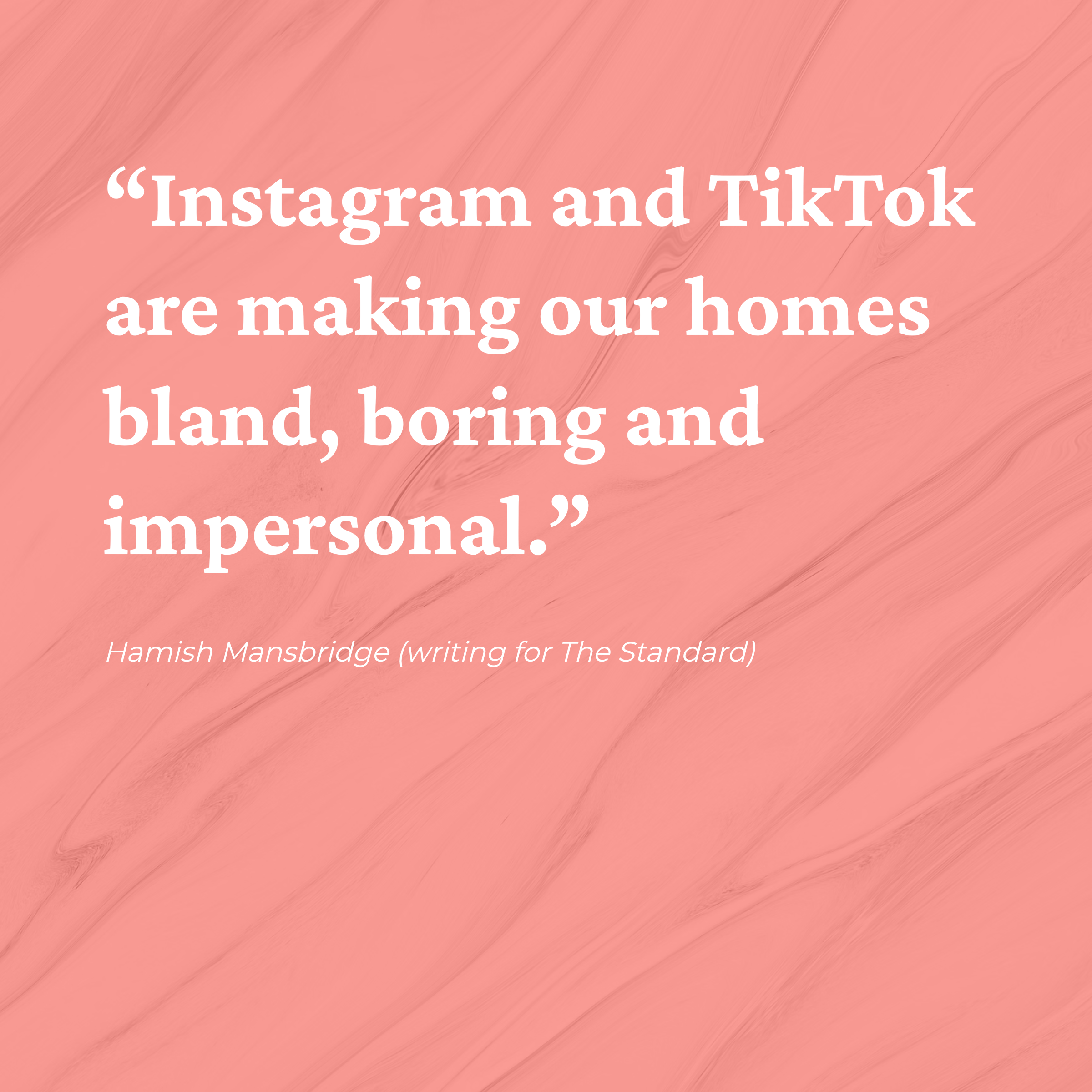
In the age of Instagram, TikTok et al, such confidence has become almost invisible. We’re shown an unending scroll of the same grids, palettes and pieces. The modern world has boosted new business start-ups (a good thing) but the majority are, sadly, doing very similar things. Design, sourcing, branding, merchandising: there is often very little to differentiate this sea of interiors brands from one another.
Why platforms reward sameness (and why it makes “rational” sense)
Contrary to what may seem to be the case, the leadership teams at Instagram or TikTok aren’t sitting in a boardroom making a collective decision to make everything beige. They’re doing something more clinical than that: rewarding what people already recognise and know how to consume quickly.
Familiar formats travel faster and are understood more quickly. So trends become templates, and templates become the default. The result is a feed full of content that’s often genuinely good, but hard to attribute to a particular brand or person. When everything looks similar, individual moments are hard to remember - and it’s hard to build loyalty and be chosen above all others.
The trap: reach vs. being chosen
Picture two interiors accounts, each posting a near-identical armchair on the same day, styled almost the same way. One gets the bigger numbers: more views, more saves, a slightly better hour on the algorithm. The other gets the sale, the follow, the customer who comes back in six months for the sofa to match. What made the difference? That’s what this piece is about: reach is not the same as recall.
A brand can out-perform its competitors in followers, impressions and likes, and still lose when it comes to actually being chosen. When a top-performing post format becomes the goal, the substance, story and even quality of the brand and its products get lost in the race to do it better than the last brand did.
We forget who we are, what we’re for, and who we’re speaking to: individual, thinking, breathing people who want something equally individual and personal for their home. They want a trusted partner to help them create a space that feels right for them - not one that will drop them for a few thousand more impressions.
When you choose “fitting in” - the latest formats, palettes, trends - over everything your customers chose you for in the first place (your distinctiveness, bravery, beliefs, standards), allegiance gets shaky fast. This isn’t an abstract brand theory problem. Customer trust is essential for the survival of any business, but especially independents, who have less room to get it wrong than a well-funded corporate.
Would you trust the friend who had real integrity, then flip-flopped on a whim to fit the “in crowd”? Who had strong opinions, then adjusted them to fit the popular narrative? Inconsistency and a lack of self-assurance make or break a relationship, in life and in business.
Gaming the algorithm is a fragile strategy. It puts your customer in second place - and the house always wins.
But, conversely, hope has arrived in the shape of AI search. When ChatGPT or Claude are given detailed queries (a paragraph, not a few keywords) the brands that stand for something are the ones that stand out. As others shoehorn top-performing keywords into content and race to do the same thing better than the competition, specificity is making a comeback.
Flattening #2: How we’re starting to use AI
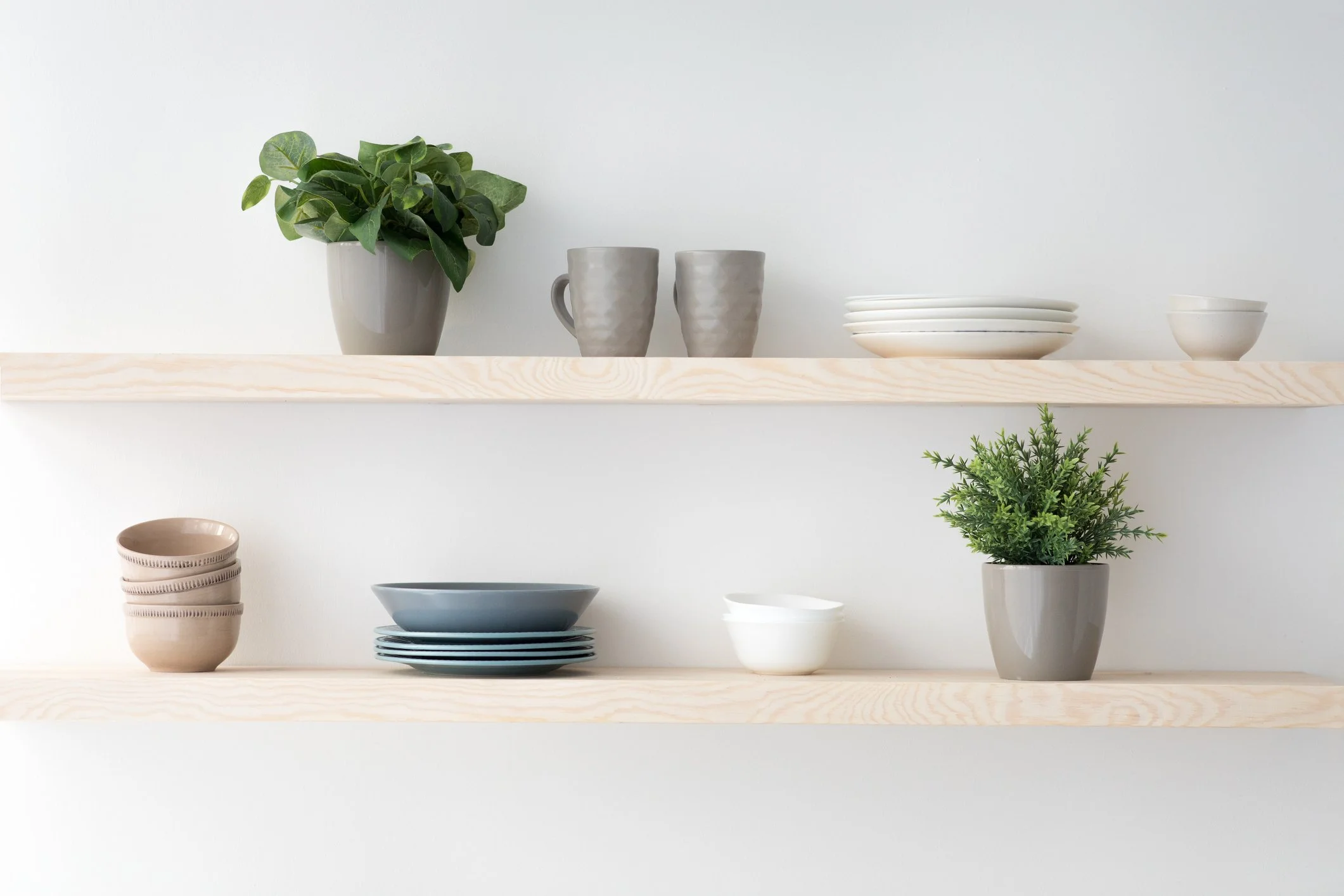
There’s a second flattening, and it’s closer to home. It’s in how we’re starting to use AI itself.
Use it to listen, not to decide. This is the part of this piece I want you to remember, so let’s get to it early.
AI is a pattern-spotting prediction medium, trained on the collective “wisdom” of almost everything that’s ever been posted online. It takes a query and returns what’s most likely to fit the brief, which is exactly why the output almost always looks impressive, provided you’re not looking for anything that hasn’t already gone before.
What it isn’t is original thought. It isn’t a slightly bonkers but brilliant creative who comes up with something completely irrational and yet completely right. So when we let it lead creative decisions, it gravitates to a safe space - a place of extreme people-pleasing. Already nudged towards sameness by the algorithm, using AI this way is a fast route to flattening your brand further still: outsourcing the thinking that makes you, you.
Used thoughtfully, though, AI is genuinely useful - not as a low-cost doer who somehow knows what to do better and faster than you, but as a way to listen. To help you hear what your customers are already saying, where, why and to whom. To surface patterns in questions, objections and desires. To pull out the phrases people repeat when they’re trying to describe what they want, and struggling to find.
For example: instead of asking AI to tell you what your brand positioning should be, ask it to analyse a set of customer emails or reviews and summarise what influences a purchase decision, what causes hesitation, or what prompts the need for reassurance.
You use it to ask better questions, and to challenge the obvious or the assumed. To pull out your creative threads and help you weave them together - with your judgement and your standards intact.
We saw AI and thought it provided the answer. It doesn’t. We have the answer. AI provides the momentum, the organisational firepower to help us arrive at it faster. AI belongs behind the scenes - following, not leading.
A simple way back to individuality
When it feels like all the cards are stacked in favour of sameness, and you can feel the pull to follow the crowd, a set of key anchors can help root you in yourself and remind you who you truly are as a brand, how you look, sound, feel, and what makes you worth choosing.
Whether you’re building from the ground up or you’re an established brand custodian conscious of the risk to what you’ve carefully built, here are three anchors to start with.
Taste
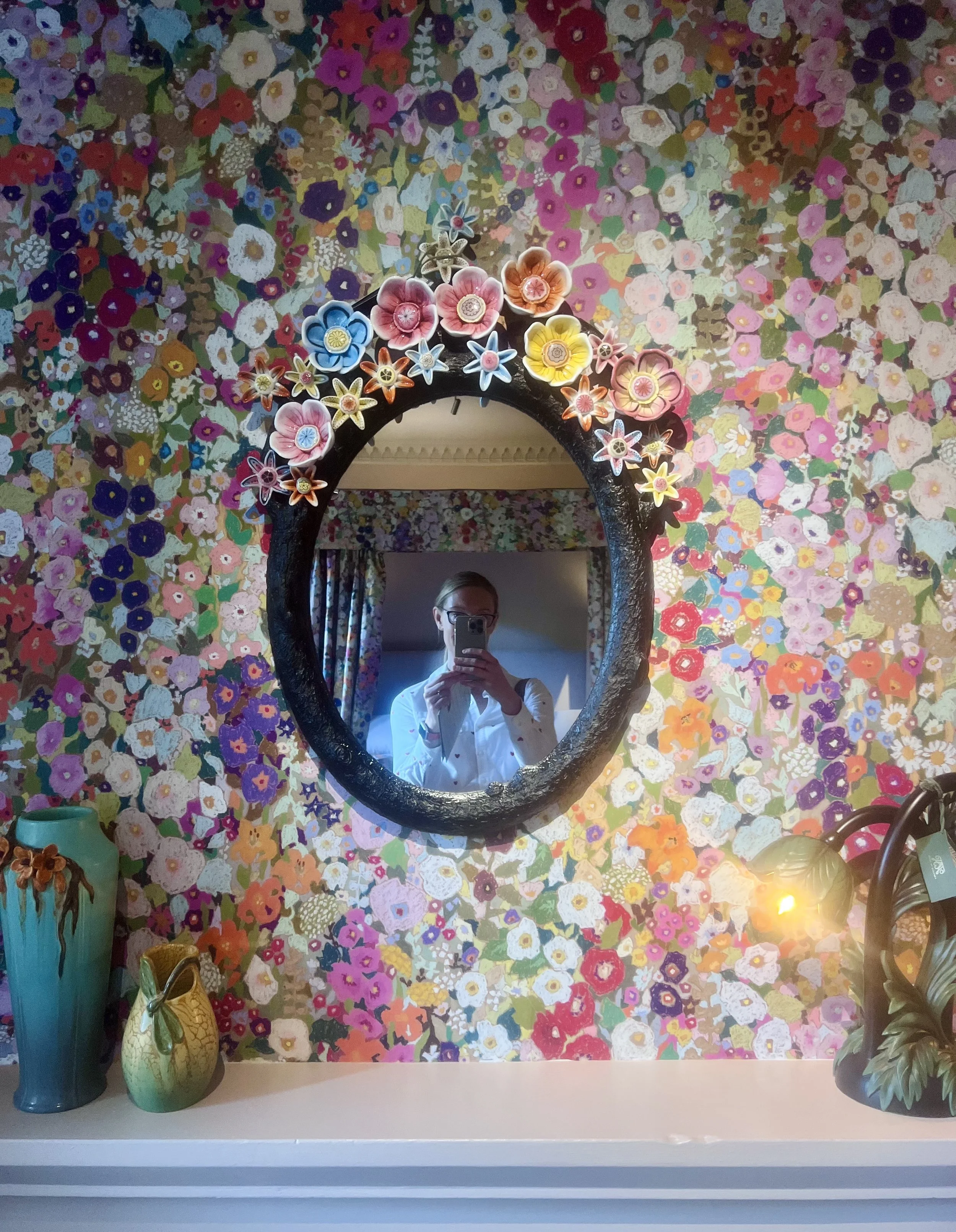
HOLLYHOCKS wallpaper at House of Hackney
Taste is the edit. It’s what you choose to do, and not do. The standards you hold. The decision you make when there are a hundred plausible options, and you pick the one that feels most you.
Taste is quirky. It can be controversial. The most interesting people and, in turn, the brands they build have something to say for themselves.
You can’t be for everyone. You don’t need to be. Be confident that your taste will align with a certain audience. They are your people. They choose you because of affinity, not because you fit in.
Every other brand in your world may be redesigning its logo, scrubbing away the serif and the soul and the knee-jerk reaction might be that it looks clean, striking, good. But is that really your brand’s taste? Every other brand in your world might be launching a bright pink product - does that colour actually belong in your world, and why? Did you ask yourself the question, or did you just see what others were favouring and follow suit?
Story
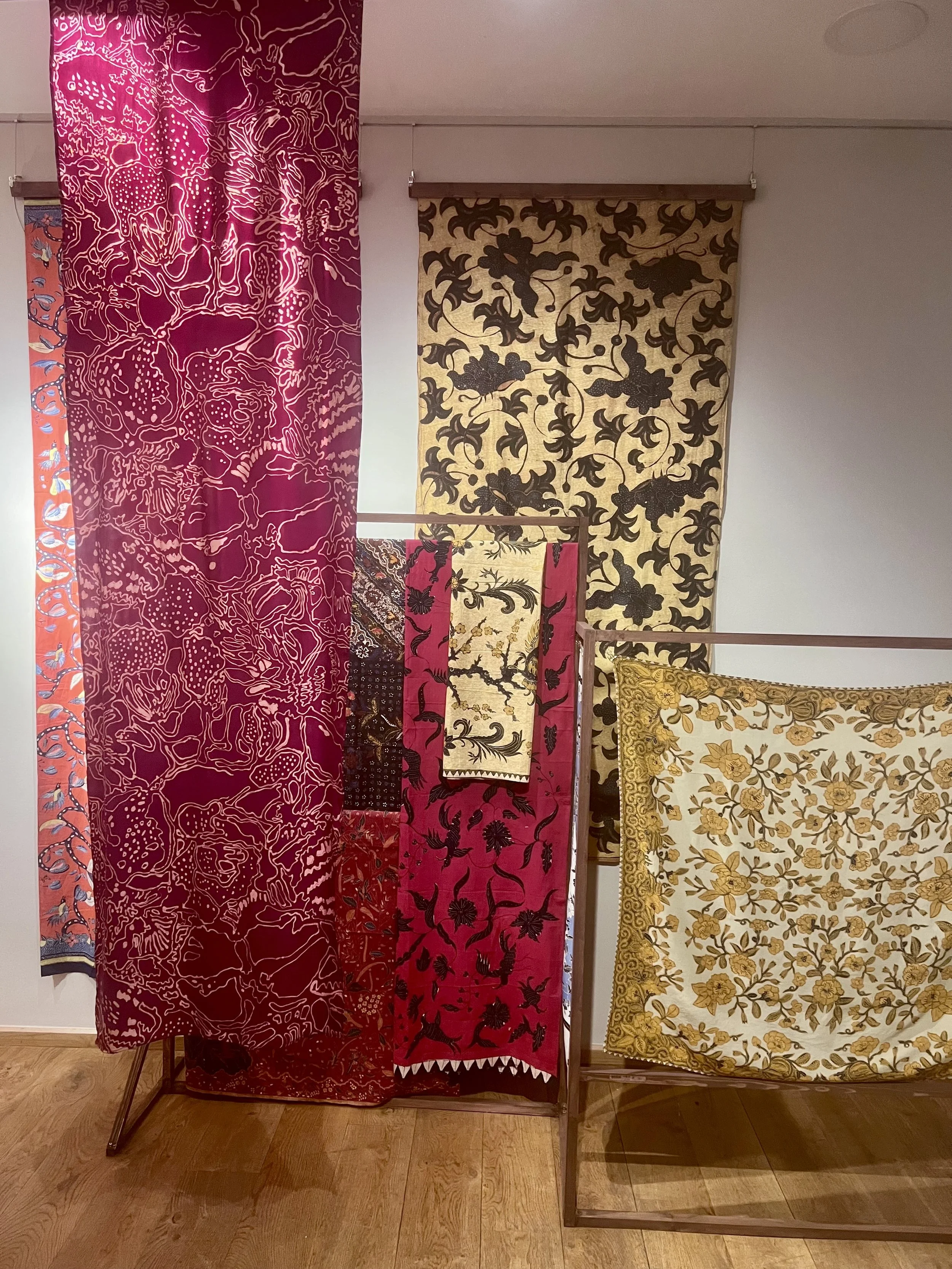
Batik: Recolouring Tradition by Lisa King at London Craft Week 2026
Story is the meaning. It’s the lineage behind the work. It provides the ‘why’ you do what you do, sell what you sell, say what you say. Stories, and the way they’re told, have never mattered more. If you have a whole world that’s inherently you, then you can’t be flat. You have texture that can’t be sanded away.
Your heritage is part of your story, of course. But that’s only part of the world you need to build. The rest is the deeper story - your purpose, your point of view, what you stand for (and against), who you collaborate with, and why.
Build a world you can bring your customers into - one that moves and motivates them to want to follow.
Proof
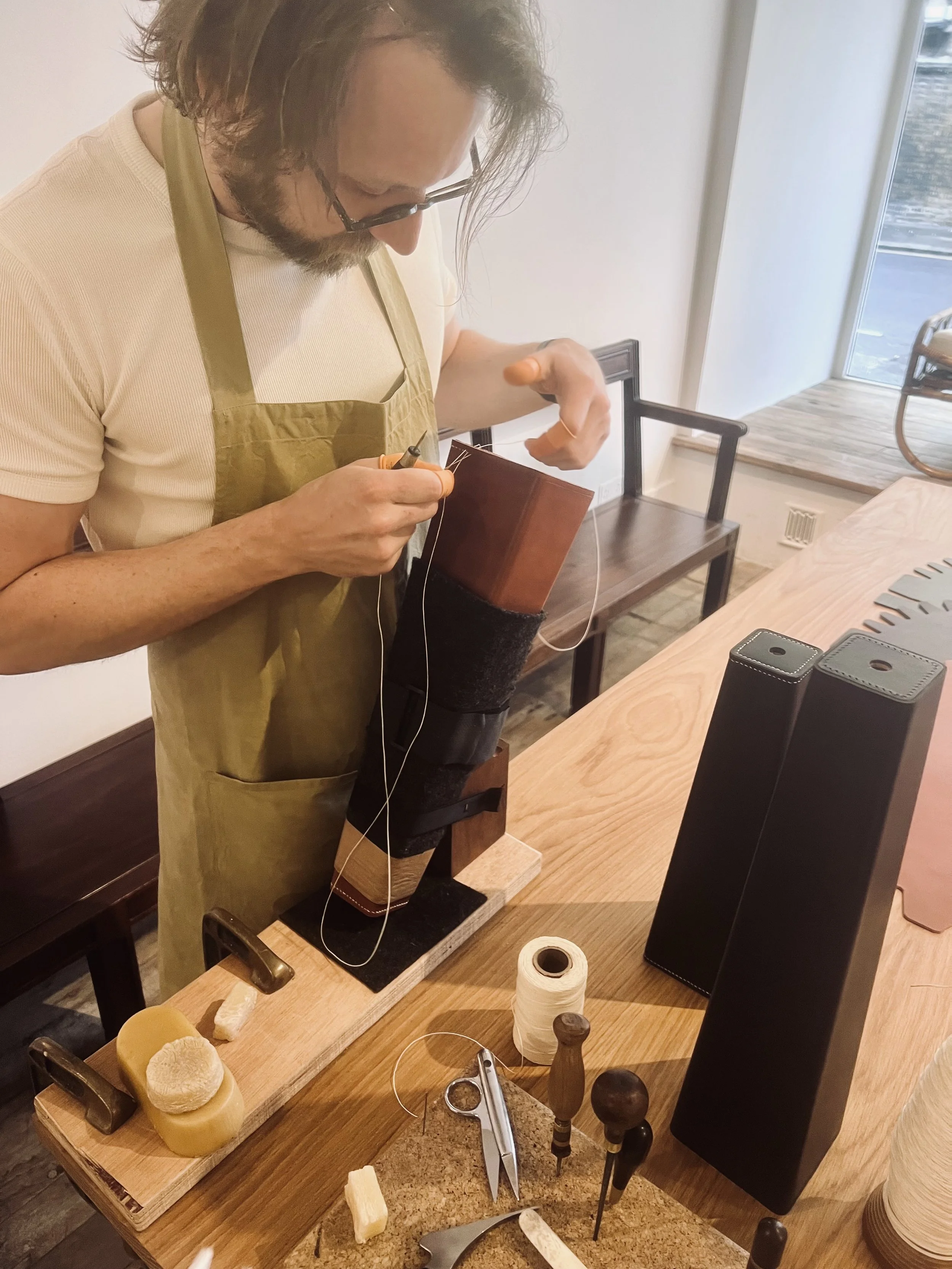
A leather craftsman at work in the Rose Uniake Pimlico Road London showroom
Proof is the trust. It’s the evidence that you’re not just saying it, you’re doing it too.
This is the anchor that’s easiest to skip, and the one that undoes the other two when it’s missing. Taste and Story can both be claimed - a collection mood board, a founder’s note, a ‘heritage since’ line in the footer. Proof is what makes them true. In practice, that means:
naming the maker on the product page, not just the product
a short, unpolished video of the workshop or supplier, not the styled campaign shoot
showing a real customer’s install, mess and all, not just the ‘after’ image
being specific about materials and process where a competitor would say ‘quality craftsmanship’ and leave it there
Brands that are flat are often missing exactly this kind of proof, and lack integrity as a result. Authentic brands throw open windows into their craft, materials, makers and customer relationships and that’s what proves the taste and the story are real, not just well-written.
This is critical in an AI-search world. Vague or generic claims don’t hold up to an LLM any better than they hold up to a sceptical customer. Specificity is what both can actually verify and move their hand to recommend and purchase.
Role models: brands holding their nerve
The resistance is here, and it takes the shape of a growing number of brands taking a path that’s distinctly theirs, and bringing customers along with them. They hold an unshakeable confidence that leaves them unafraid to do things differently. Following the crowd is, for these brands, unthinkable.
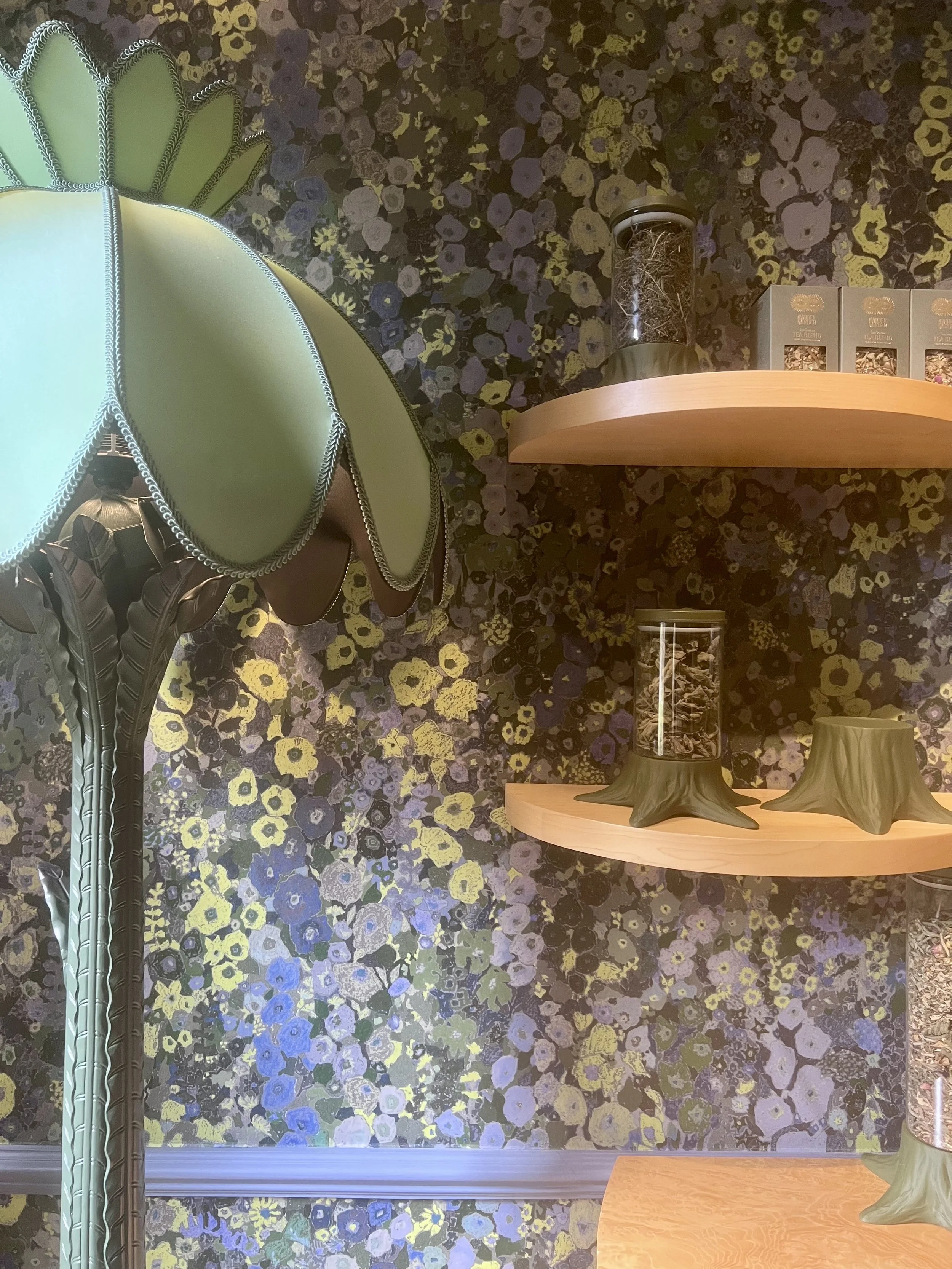
The Wonder Garden Apothecary Room at House of Hackney
House of Hackney, the rebel of the interior design world, has always railed against the bland and unremarkable, holding fast to its principles even when the survival of the business was at stake. Having cut her teeth at Topshop as it moved from pioneering to fast-fashion machine, Frieda Gormley was determined to build a different model with her husband, Javvy M. Royle - a business steadfastly committed to community, craftsmanship and, formally, Mother Nature herself. There’s no other brand quite like it. It has a depth of story that can’t be replicated, and it lives that story through people, product and purpose. Its customers choose its bold botanicals and gothic, punk-edged heritage motifs for a certain taste, placing it far from the risk of flattening.
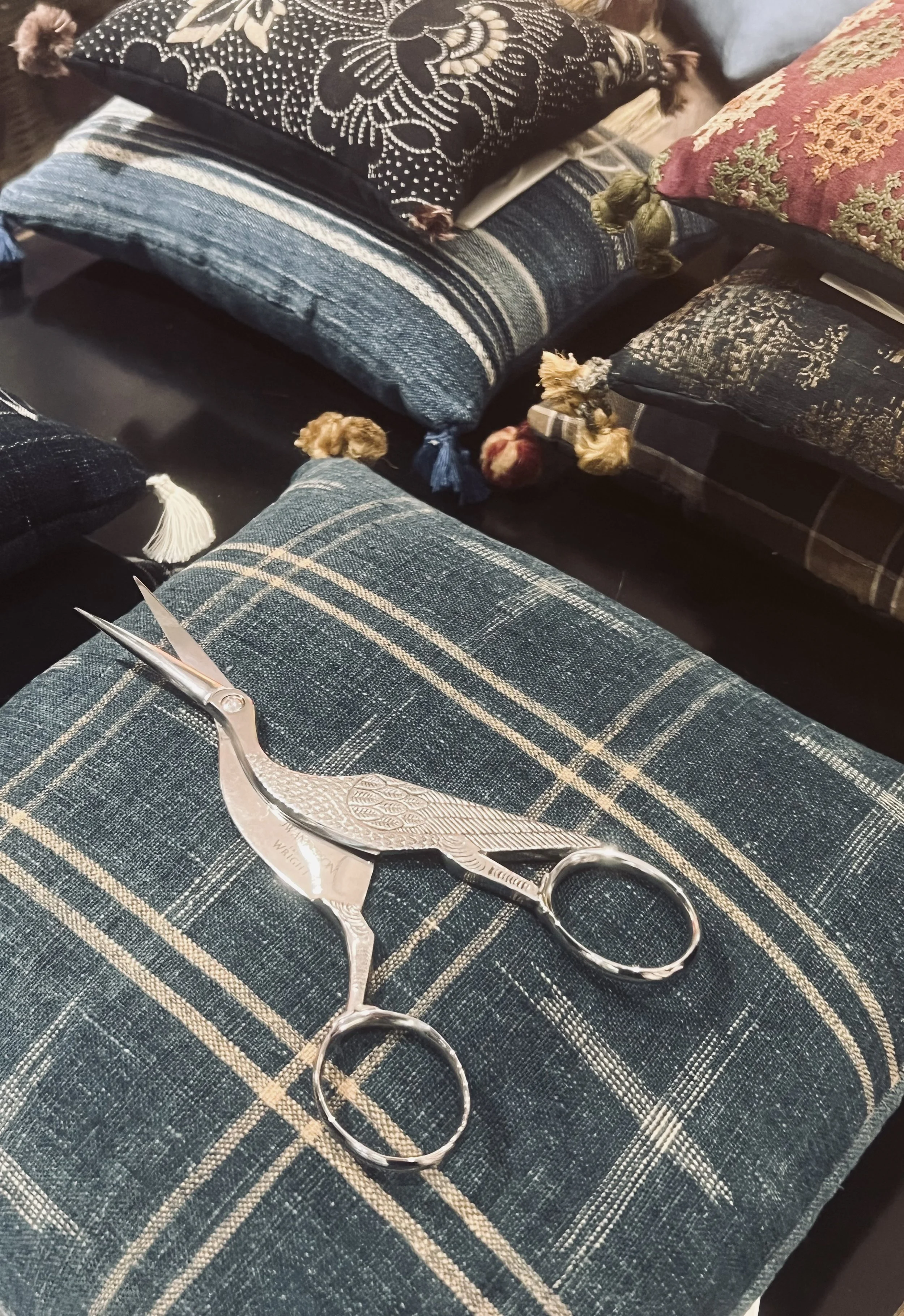
Ernest Wright stork scissors at the J.W. Anderson Pimlico Road showroom
The world-building instinct of J.W. Anderson transfers across categories. There’s a quirky sense of Britishness running through the designs, the Pimlico Road store, and the choice of collaborators from Ernest Wright to Mouseman and heritage fabric house, Watts 1874 (its pink jacquard floral most recently seen on Harry Styles in a custom jacket for his London tour dates). Playing it safe has never been, or ever will be, it seems, an option for brands like these.
Resist the flattening
Platforms will always reward what’s familiar. AI will always predict what’s most likely. The way through isn’t to outsmart the algorithm, or to do the same thing better than everyone else doing it.
Build your world - your Taste, Story and Proof. Live it, communicate it with confidence. Specificity and depth beat polish and broad appeal in the AI era. You can’t be for everyone - speak to your people, the ones who chose you for who you are.
Hold intention and discernment over speed and efficiency. AI has its place. It’s just never the place where you want to be remembered.
