
Keep AI behind the scenes; your craft (and people) centre stage
When clients ask me how best to bring AI into their business, I tell them to take a walk down New Bond Street.
Not for the fresh air or the window shopping, but to stop and marvel at the regeneration of a regency-era building on one of the capital’s most beautiful period streets. I point them towards it because it’s the architectural embodiment of how we should be using AI:
Craft in front. Structure behind. Technology supporting, not replacing

Look through the windows and you can see it: a web of steel. A modern skeleton replacing foundations and walls that were beyond repair. And yet the facade remains.
Those period details have been preserved with extraordinary care, held in almost-gravity-defying place while an entirely new structure takes shape behind them. It would certainly have been quicker to rip it all down and start again. But they didn’t. Because the craft and the history deserve protecting. And the people who will work there, and walk past it every day, deserve something more than sameness.
This is the real fear with AI. That we’ll lose everything we’ve built, literally and figuratively, as it strips the humanity out of what we’ve lovingly, painstakingly created over generations.
For independent businesses, customer trust is crucial for survival. And it’s hard to trust AI - we’re explicitly advised not to trust it by some of the biggest names in tech (and they’re right to do so). So it’s no wonder there’s a reluctance to let AI anywhere near anything that could shake your customers’ trust in your brand.
But when AI is used thoughtfully and intentionally, it can actually make the customer experience richer and more human. Because, applied with discernment in the right places, it can help you understand and serve real people better, and it gives your people more space to be human.
The Doorman Fallacy (and why efficiency isn’t the goal)
I’ve been very much enjoying listening to the inimitable Rory Sutherland reading the audio version of his book Alchemy.
There’s so much in there on why we’ve got it wrong when it comes to reason and logical thinking, but it’s his focus on our misguided obsession with efficiency as the goal that really got me thinking (in relation to AI, naturally).
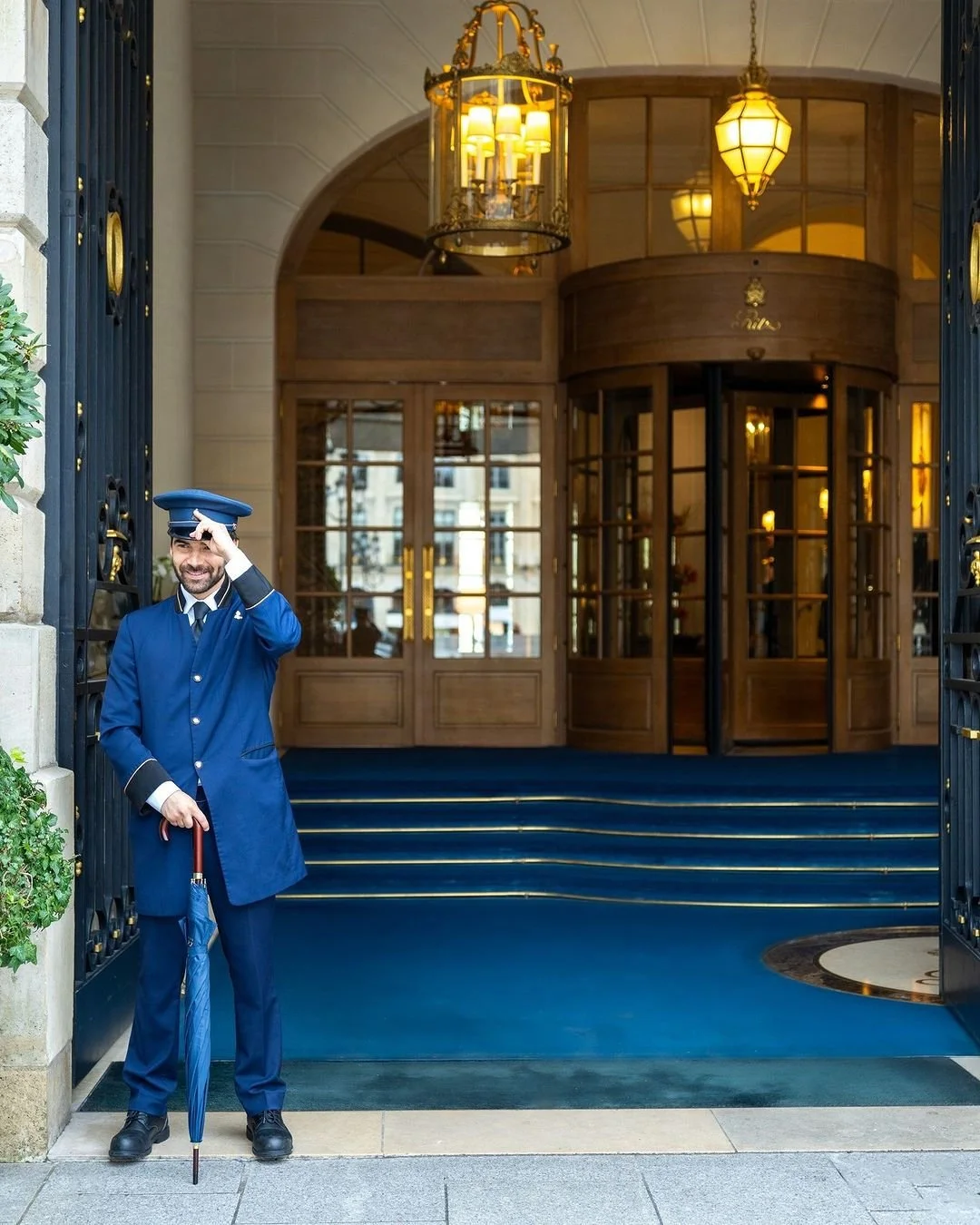
He talks about The Doorman Fallacy. That’s the choice a high-end hotel might make between having a real-life person to open the front doors for guests or installing an automatic door.
On paper, the automatic door wins for business. It’s cheaper, faster, and always on. If efficiency is your goal, the doorman has obviously got to go. But in reality, something gets lost. Because the doorman does so much more than open a door. He notices, he smiles, he offers a warm welcome and a small moment of assistance - a first point of connection.
Take that away and, yes, you’ve made efficiency gains, but something intangible slips away too. And you can bet customers will feel the difference in how personal (or not) the experience is.
As businesses rush to use AI wherever they can, it’s worth pausing to consider that the same dynamic applies here. When you look at a task and think, ‘AI could do this faster’, you’re probably right. But take a minute to consider: if we replace this with AI, what might we lose?
Is this an automatic door moment, or a doorman moment?
In retail, the magic is in the interaction, not the transaction. It’s never been more important to have passionate, knowledgeable, warm people at every level and in every department of a business. They’re the heart and soul that AI can never be. Meanwhile, let AI help you to help them.
For an independent retailer, that might look like:
Spotting patterns in what customers buy together, so your team can suggest combinations that feel genuinely helpful, not pushy
Summarising customer feedback so you can tweak your range or displays faster based on real preferences and needs
Pulling out the questions people ask most often, so your product descriptions and in-store conversations answer what they really care about
All of that lives behind the scenes.
It doesn’t replace the conversation on the shopfloor, the email you write yourself or the relationship you build over time. It supports back of house when and where you need it.
It’s a huge red flag when AI makes it harder to reach a real person: over-automated chat, robotic templated emails with no way to easily reach a human to help with a product issue.
This is the false economy of bringing AI in where it doesn’t belong. Choosing efficiency at the detriment of trust. Tearing down the character and the heritage rather than focusing on structure and process.

Back on New Bond Street, what I found most striking about the architectural regeneration was discipline applied to what was evolved and what was preserved, and the absolute dedication to adhering to that process. The easiest route was not chosen (and what a rarity that is, in these times).
As AI enters our businesses, bringing it in with absolute care and consideration is critical. It shouldn’t be used to lead a takeover, erasing what was built by human hands. There is a different way, a better way - it’s the ideal supporting structure: helping rebuild what isn’t fit for purpose, strengthening frameworks and creating new spaces for better work and creativity.
Meanwhile, the elements that are truly distinctive, memorable and made of us are protected and preserved for the long-term.
Try it: automatic door or doorman moment?
Pick one task you’re considering handing to AI and ask:
1. If we replace this with AI, what might we lose - warmth, judgement, trust, story, care?
2. If we keep this human, would we be protecting something that makes the brand distinctive and that our customers choose us for?
Try listing tasks that do not have a direct impact on your brand values and customer trust that could move behind the scenes to free up time for more ‘doorman moments’.
If you’d like support with this, I can help
If you’re a founder or leader who wants to bring AI into your business in a way that protects craft, customer trust and your distinctive voice, this is exactly the work I do. Get in touch via the contact page or send me a message and we’ll look at what should stay human-led, what can move behind the scenes, and how to lighten the load without losing what makes your brand worth choosing.
