
Craft, Wabi Sabi, and the AI Era: Keeping the hand behind the work

I recently picked up a copy of Companion, the second issue of the magazine about craft, published by the British bakery GAIL’s.
I love that they champion craft in such a dedicated form. Rather than focusing only on their own world, they bring umbrella makers, jewellers, violin makers and lampshade designers into the conversation: talented craftspeople from very different disciplines, all connected by the same commitment to making.
Roy Levy, GAIL’s creative director, puts it beautifully: “Craft is tied to identity and humanity; something expressed through making and shaped by people, choices and context.”
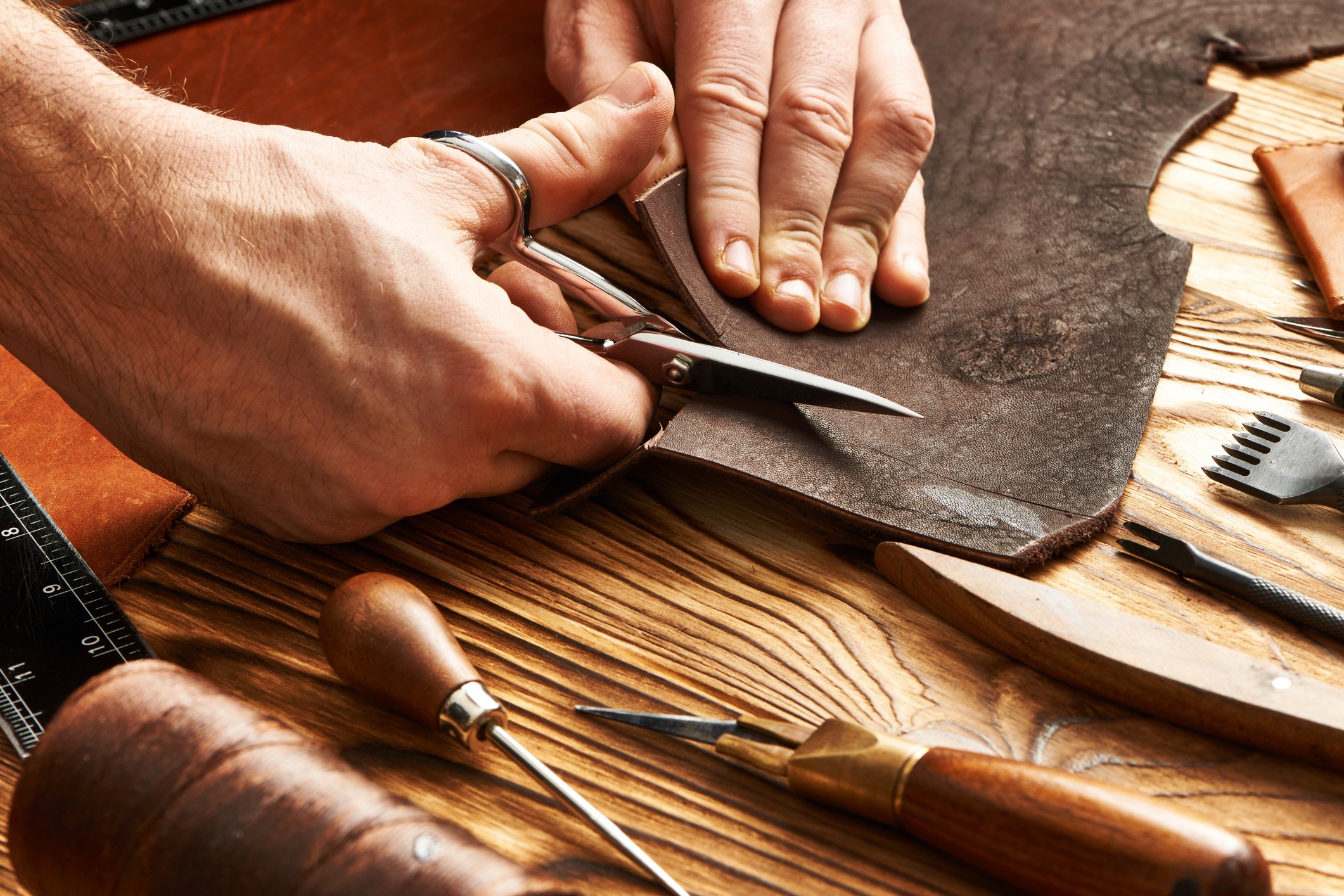
Defining what craft is, and why it matters more now than ever, feels like a kind of public service broadcast.
We’re living through a moment where machine production (and AI is simply the latest upgrade in a much longer move towards machine-made work) can offer a shortcut to something smoother, faster and more consistent. The production line has its place. But it also throws the human bits into sharper relief: the quirks, the texture, the judgement, the signs of thought and care.
That is craft.
Not only skill, but intention. Not just finish, but authorship. Quality matters, but so does evidence of a person behind the work.
If you work in interiors, lifestyle, retail - any kind of design-led business - your brand has likely been built on craft in one form or another. I see brands like Oliver Bonas and OKA showcasing the designers behind their latest collections, and it makes me feel hopeful that corners are not being cut.
Because for independent brands especially, there is real value in the pen and brush, the eye of the maker, the colour choice that steps away from what is expected. In work that carries the character, personality and talent of the person behind it.
Craft also reminds us that something can be beautifully made without being perfect. That the marks of process are not always flaws. That often, what people respond to most is the feeling that a real person was here.
Why imperfection matters now
Andrew Tuck, editor of Monocle, wrote recently: “Not everything has to be perfect - luxury is seeing the hand behind the artistry.”
What he’s really describing is Wabi Sabi - the Japanese philosophy that finds beauty in imperfection, impermanence and incompleteness.
In interiors, craftsmanship and design-led brands, it has long been part of what makes something feel soulful, lasting and worth caring about. You can see it in a weathered leather armchair, a hand-thrown bowl with a slightly uneven rim, a fabric where the weave isn’t quite uniform.
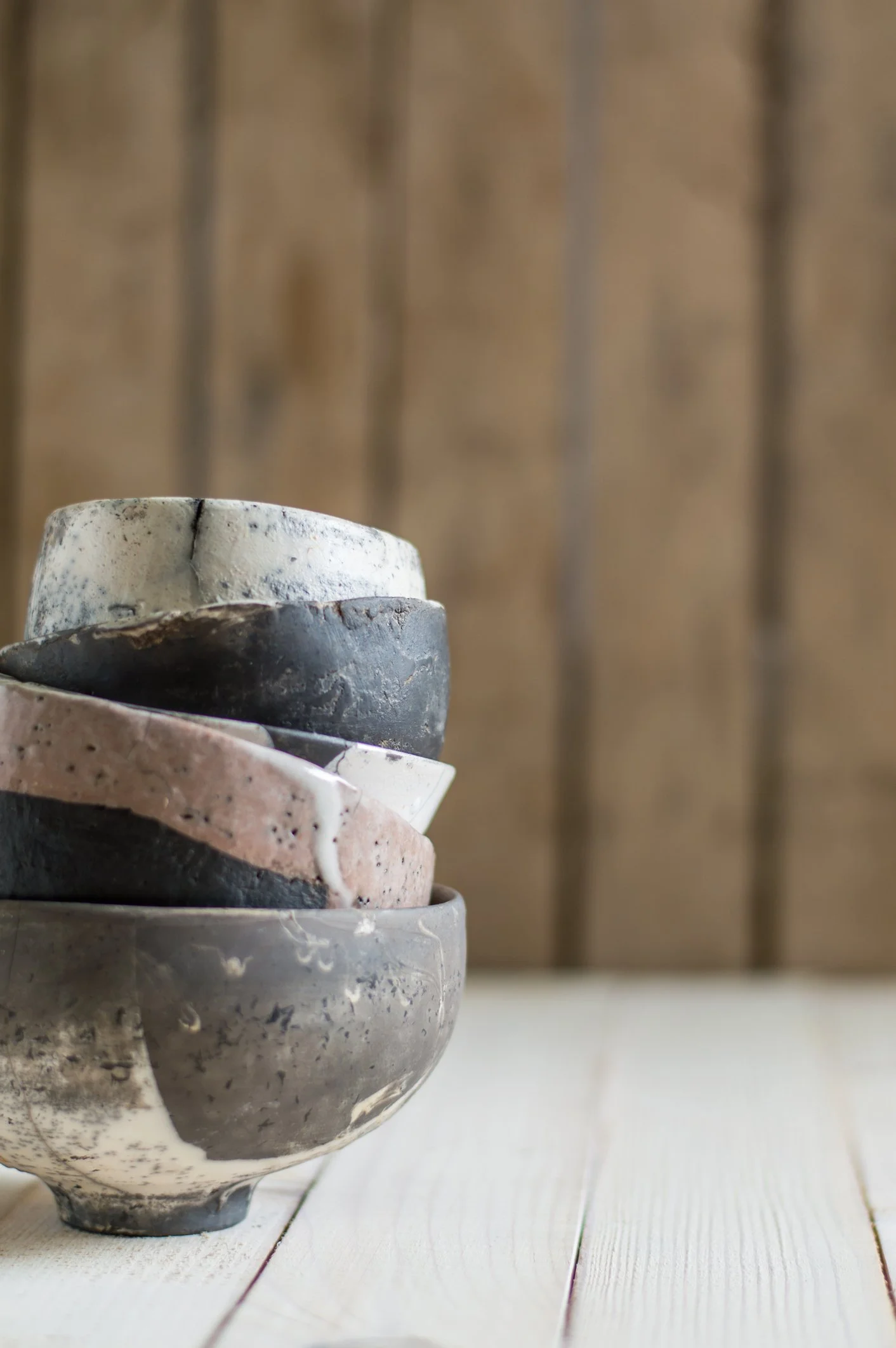
None of those things are ‘perfect’ in the polished, machine-made sense. That’s precisely the point. They carry evidence of touch, time and use.
And I think that kind of evidence matters very much in the era we find ourselves in.
AI is very good at producing things that are smooth, fast and consistent. It can help with structure, speed, repetition and refinement. Used well, that’s incredibly valuable.
But what it can’t replicate is the quality that makes people feel something deeper than admiration for efficiency.
It can’t create the subtle irregularities that tell you a real person was here. The stylistic quirks. The instinct to go one way and not the other. The decision to stop before something becomes overworked. The patina that comes from experience, taste and restraint.
In a world where perfection is easier than ever, character becomes one of your most valuable assets.
So where does AI belong in a craft-led brand?
Can a brand be proudly craft-led and heritage-focused, with handmade and quality at the core… and still use AI?
The answer is yes. But I understand why many people feel uneasy about it.
I’ve just finished Less by Patrick Grant, who puts it simply: “We can choose to live by a philosophy of less, better and local.” This is the world many of you are building, and it deserves protecting.
For me, the line is clear.
AI doesn’t belong anywhere near the craft itself.
But it can belong in the parts of the business that steal time and energy that would otherwise be invested in the craft.
Both can co-exist, if you’re intentional.
What gets lost when everything gets easier
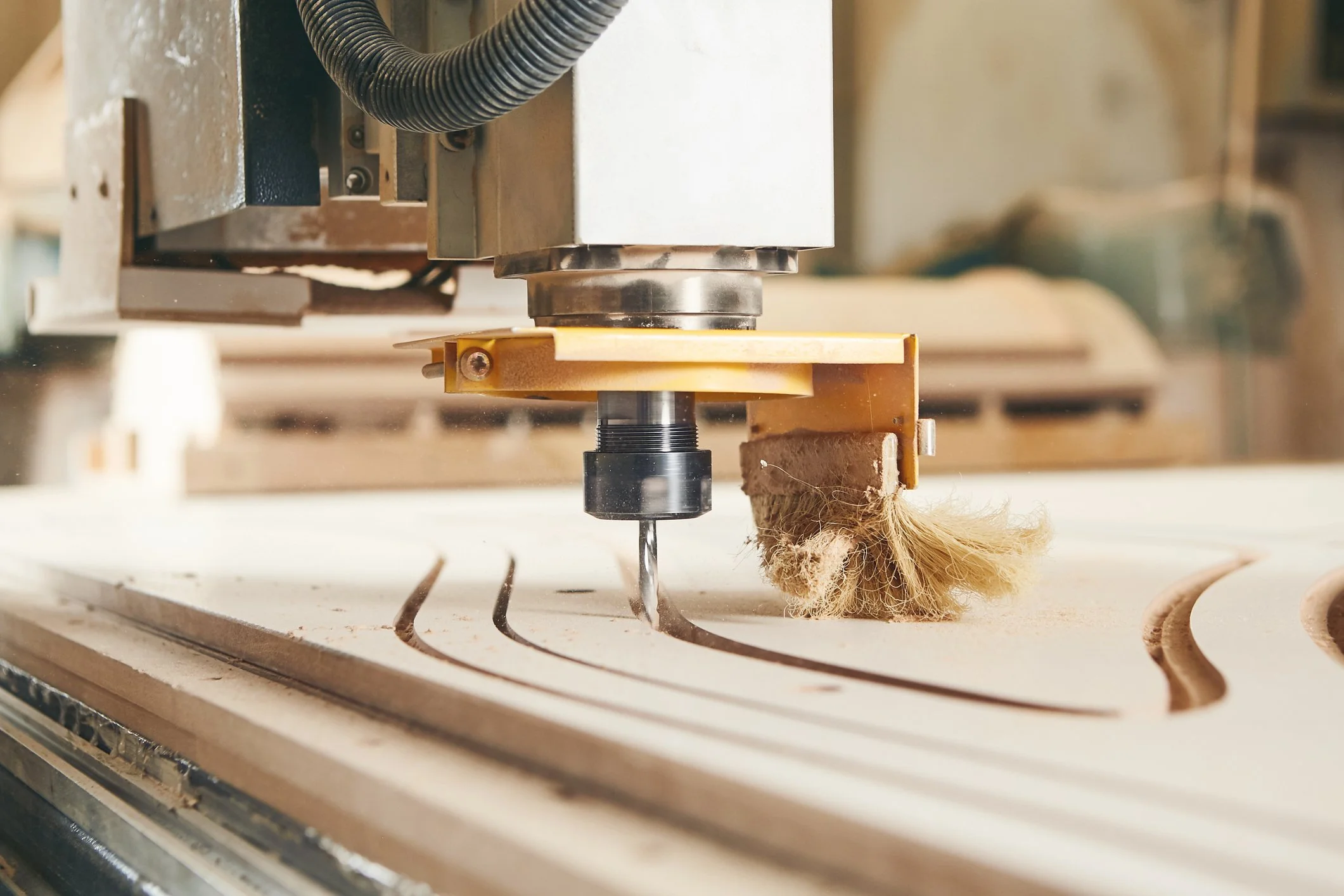
There’s no question AI can save time. In the rush to prioritise efficiency above almost everything else, it can start to feel like the holy grail. But if time-saving becomes the primary goal, we should ask what that convenience does to the texture of a brand over time.
It can create a machine-made version of ‘perfect’: rough edges sanded down, a production line of sameness. When everyone has access to the same shortcuts, brands can lose the qualities that make them distinctive.
That’s why discernment matters. Use AI where precision and efficiency are genuinely helpful. Protect the parts of your brand that need a human hand: voice, judgement, creative direction, slightly unusual choices. These are signs of life.
Where AI can help (without undermining what you stand for)
If you’re running a small team, the most helpful use of AI is often the least glamorous.
It’s the background work. The repetitive tasks. The admin that eats away at the hours.
Here are a few places it can support a craft-led business, without sanding anything down.
Research and inspiration gathering: less trawling, more creating. Use it to pull themes and questions quickly, then you bring the taste and the edit.
The piles of admin: organising, sorting, scheduling, internal documentation.
Content repurposing (from your own original work): a long piece becomes a shorter email; a founder story becomes captions; a talk becomes a practical guide. You remain the author.
Insights and patterns: what customers ask, buy, return, review - and why.
Meeting notes: so you can be fully present with makers, suppliers and your team.
Where to keep AI out of the picture (or handle with real care)
Some areas carry your standards in a way that’s hard to recover once it’s been diluted.
Brand voice and storytelling
Anything that relies on judgement in the moment (especially with customers)
Original content creation (written and visual)
Creative direction and design decisions
The maker story itself
These aren’t tasks to optimise. They’re the places where customers experience your care.
A craft-led way to think about progress
Patrick Grant also writes: “Buying things… made by people who are well paid, valued and respected, will make us feel better too.”
If AI helps you handle admin better and gives you more time to invest in makers, their products and their stories, that’s supporting your values, not devaluing them.
This is a turning point.
If we want to feel good about the direction we’re headed in, craft and quality and human skill need protecting and elevating.
AI should be applied to strengthen and support, not undermine.
A place to start
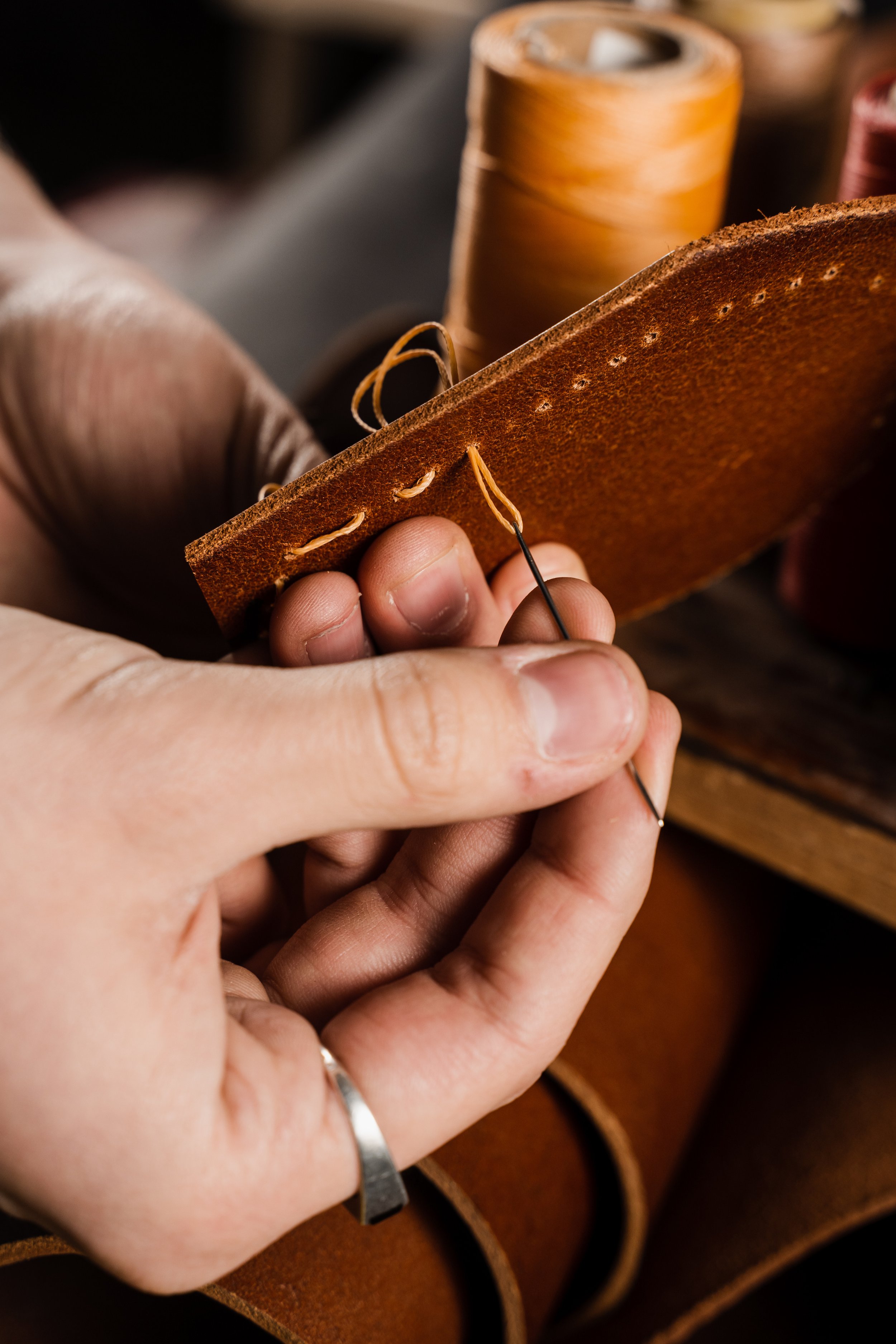
If you want a simple place to begin, pick one background task that keeps pulling you away from the craft: sorting, researching, planning, repurposing. The work that has to be done, but rarely deserves your best energy.
Try AI there first, using your own material, and treat the result as something you shape. You lead, it assists.
The aim is modest but meaningful: to give you back a pocket of time and attention, so more of your week is spent building your brand on purpose.
When perfection is easy, character becomes the advantage
As more work becomes smooth, fast and consistent, the evidence of a person - taste, restraint, judgement, care - starts to stand out. Protect and elevate these inimitable, intangible elements of craft, and let new tools make room for them to shine.
Where are you drawing the line in your business: what stays human-led, no matter what?
