
Keeping it real: how AI is genuinely helpful for busy life
There’s a lot of AI posturing out there right now.
Entire workflows ‘automated’. Vibe-coding an app before you’ve even had your morning coffee. A million pieces of content generated in ten minutes.
It’s the kind of thing that gives AI a bad rep with the majority of us who don’t have tech-bro aspirations - we’re just living a busy, normal, human life.
Which is a shame, because used in the right way, AI can be genuinely transformative. Not as a replacement for thinking, taste, or judgement - but as a practical layer of support that makes the load lighter.
I’m a brand and communications strategist, and I spend a lot of time helping founder-led teams figure out how to adopt AI without losing what makes them special. There’s a way of using AI that typically works for them and a way that really doesn’t:
When AI acts as an assistant and takes some of the weight, it’s brilliant
When AI becomes a takeover, a shortcut or a volume machine, it’s a nightmare
So here’s a more honest snapshot: a few recent life moments - professional and personal - where AI entered the frame and genuinely helped, without turning life into a tech demo.

1) Au revoir, PowerPoint
My presentation process has done a complete 180, and I’m very happy about it.
I take my draft content and drop it into my favourite presentation AI tool, Gamma. It already has my brand kit and templates already set up, so no repetitive work required to get a consistent result. It generates a first draft then I refine the structure and flow using its built-in AI tools. I run the draft through Sintra (my preferred ‘team of digital assistants’) which has my positioning, audience and offering saved in its ‘brain’. From there, it’s editing, tightening and sense-checking (with my eagle eye) until it’s final.
A techy might eye-roll at how basic this is. But for me, it’s been revolutionary: hours saved every week, and a more professional, on brand output - without the late-night slide shuffling.
It’s a perfect example of AI taking the monotonous, time-consuming part off my hands, so I’ve got more space for the strategic and creative thinking that actually moves things forward. I stay fully in control - just with a lighter load, and a much better process.
2) Capturing thoughts in the moment (without losing them)
I’ll be walking the dog and a whole load of half-formed ideas will ping into my head - the power of getting out in nature.
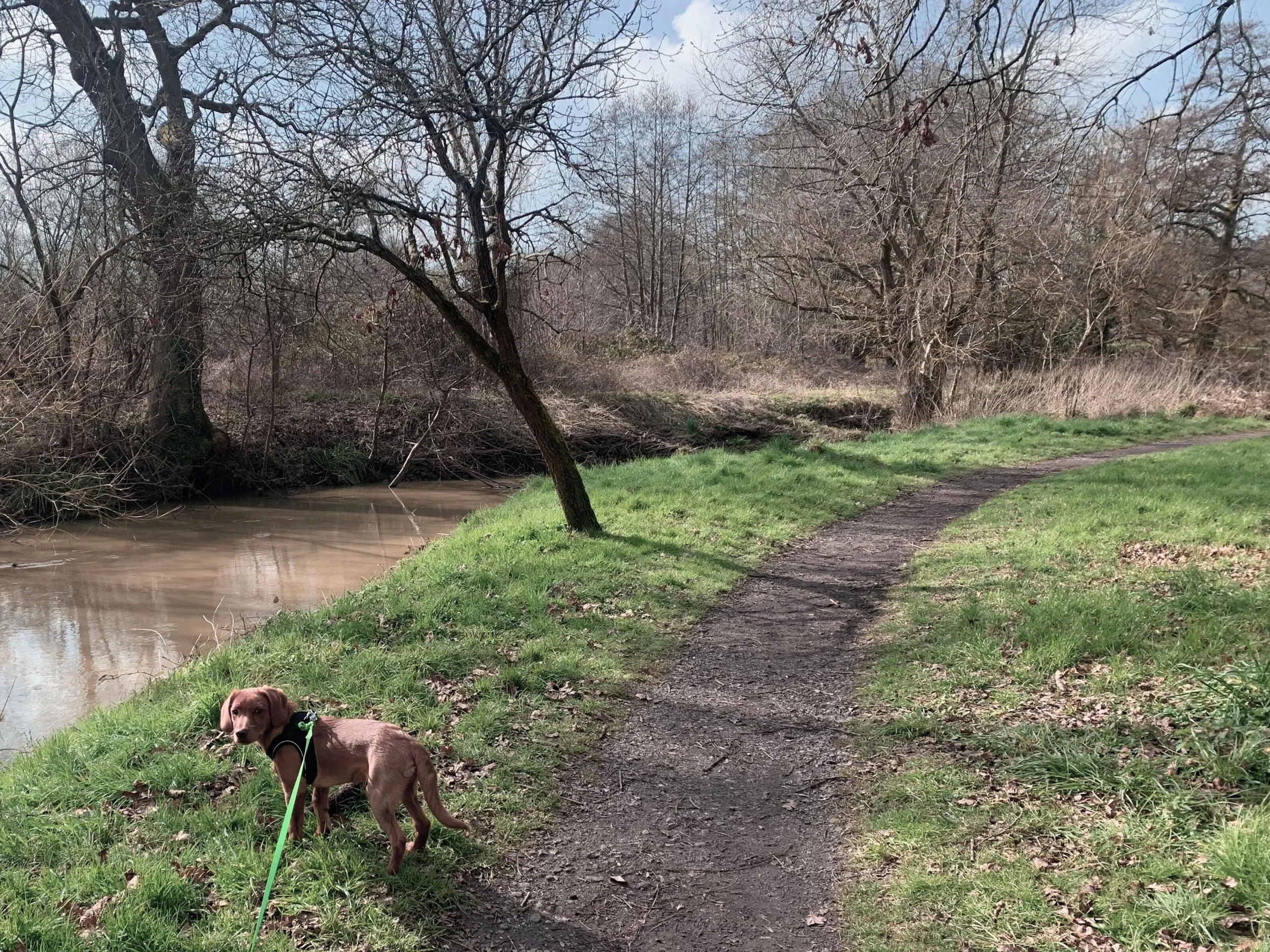
In the past, I’d tell myself I’d remember them later. Or I’d stop, open Notes, and try to type one-handed while not letting go of the lead - fun.
Now I just voice-dictate into my go-to voice-to-text tool with a single button on my phone. It’s often rambling, messy, stream-of-consciousness stuff - and that’s the point. Later, I can quickly turn the transcript into something usable: a few clean bullets, a draft paragraph, or a simple outline I can pick up when I’m in work mode.
The thoughts are still mine. But with AI doing the admin, they have a much better chance of becoming something tangible and useful - captured, not lost in the chaos of a multitasking mind.
This is the part we don’t say enough: for a lot of people, AI’s best use case isn’t content creation or big automated takeovers. Sometimes it’s simply helping you catch and shape the ideas already in your head before they disappear.
3) Expert critique when you can’t afford an expert
I recently created a new business plan and I needed a high-level, experienced, critically detailed eye over all 50 pages to feel confident moving forwards.
Enter Perplexity - an AI research tool designed to search, summarise and interrogate information quickly (with credible sources). It is more sharp analyst than generic chatbot.
It did a deeper dive than I could reasonably ask of any human contact, at speed. It highlighted gaps, challenged assumptions and raised the questions I hadn’t yet asked myself - the kind that make a plan stronger.
This is where I’m firmly human-led, AI-enhanced: I set the direction and make the decisions. AI has its place in pressure-testing my thinking, so I can refine the logic, strengthen the story and move forward with more confidence.
AI is particularly good at:
spotting gaps and inconsistencies
stress-testing logic
surfacing questions and risks
helping you notice your own blind spots
But it only becomes genuinely useful when you do the work upfront. AI doesn’t lead - you do. Then it comes in as a rigorous second pair of eyes, helping you refine what’s already there, so the end result is still unmistakably yours.
4) Planning a trip (the personal one)
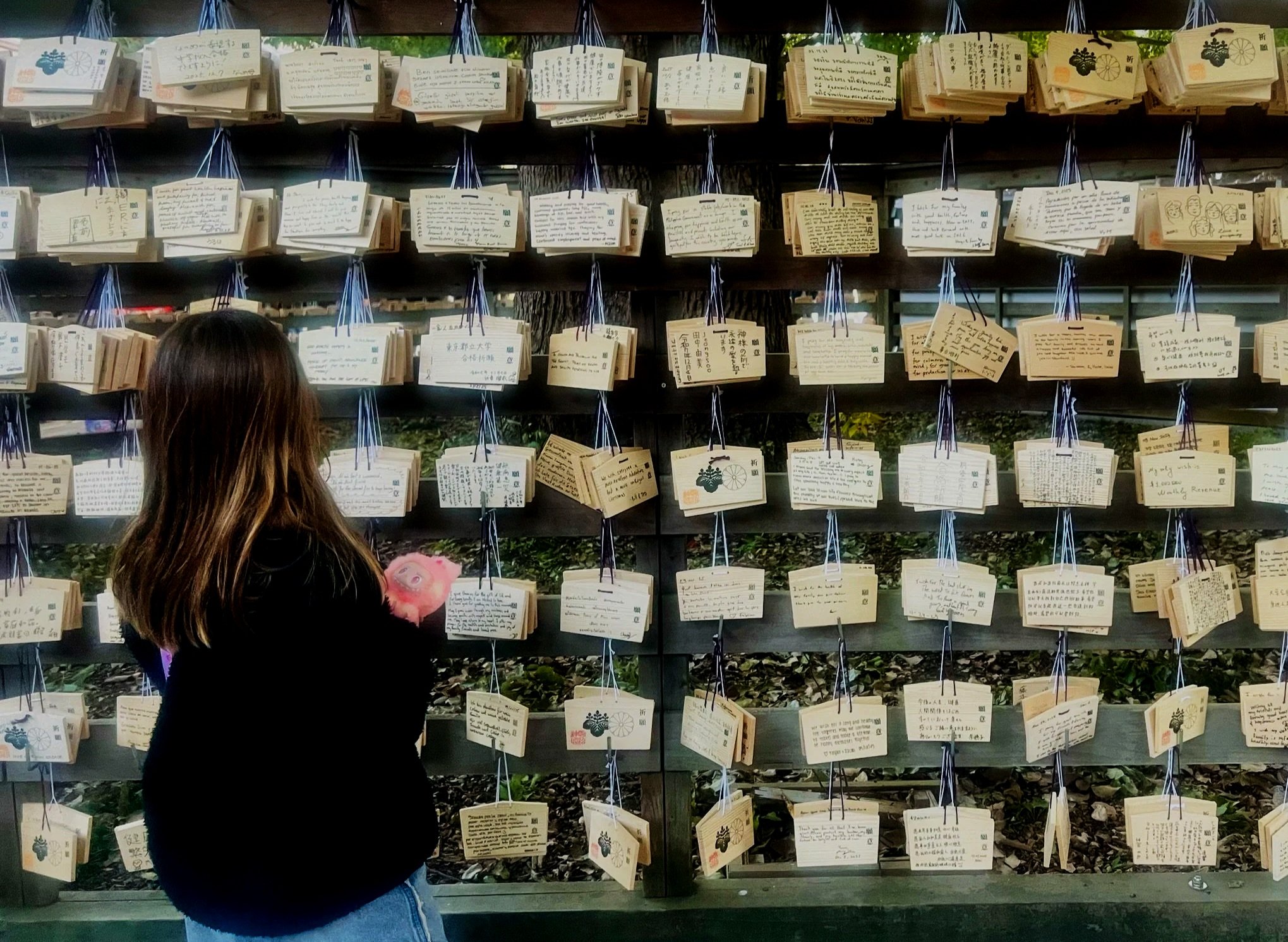
At the end of last year, we did a big, you-only-live-once family trip.
It was a logistical challenge: different climates, different customs, different rules about what you can bring where - all while still running a business and keeping normal life moving. Planning something that big with two young kids can feel like a second job (the kind that makes you consider a tour organiser or a costly agent, just to make it manageable).
Instead, I used my AI as my planning assistant. We created a comprehensive packing list, with a country-by-country breakdown of what’s allowed, plus a jet-lag-busting plan for the time zones. It helped me sense-check the details, catch the obvious misses and keep the plate-spinning under control.
So. Much. Less. Stress.
And again - this wasn’t about outsourcing life. It reduced the mental load so I could be more present for the good bits. We did the trip our way, with better preparation and fewer last-minute panics - and the memories were richer because I felt confident enough to just be there.
The common thread: AI handles the admin
All of these examples have the same thing in common:
I’m not relinquishing human thinking
The machine is not taking over
I’m using AI to lighten the load, not replace decision-making, discernment or taste
That’s the version of AI I’m interested in helping others bring into their lives.
The version that keeps your voice and standards intact, and gives you back time for the work (and life) that matters.
And it’s the same way I work with clients: brand and communications first, then AI brought in thoughtfully to support the day-to-day. Always in a way that feels safe, manageable and true to you.
So, when it comes to AI in normal, daily life, ignore the hype and let’s keep it real.
