
Colour forecasting and the unexpected model for the AI era
Last week, I attended a talk by the bold and brilliant Marianne Shillingford, Creative Director of Dulux, in the spectacular setting of St Bartholomew’s Church, Smithfield, transformed for Clerkenwell Design Week into the ‘Church of Design’.
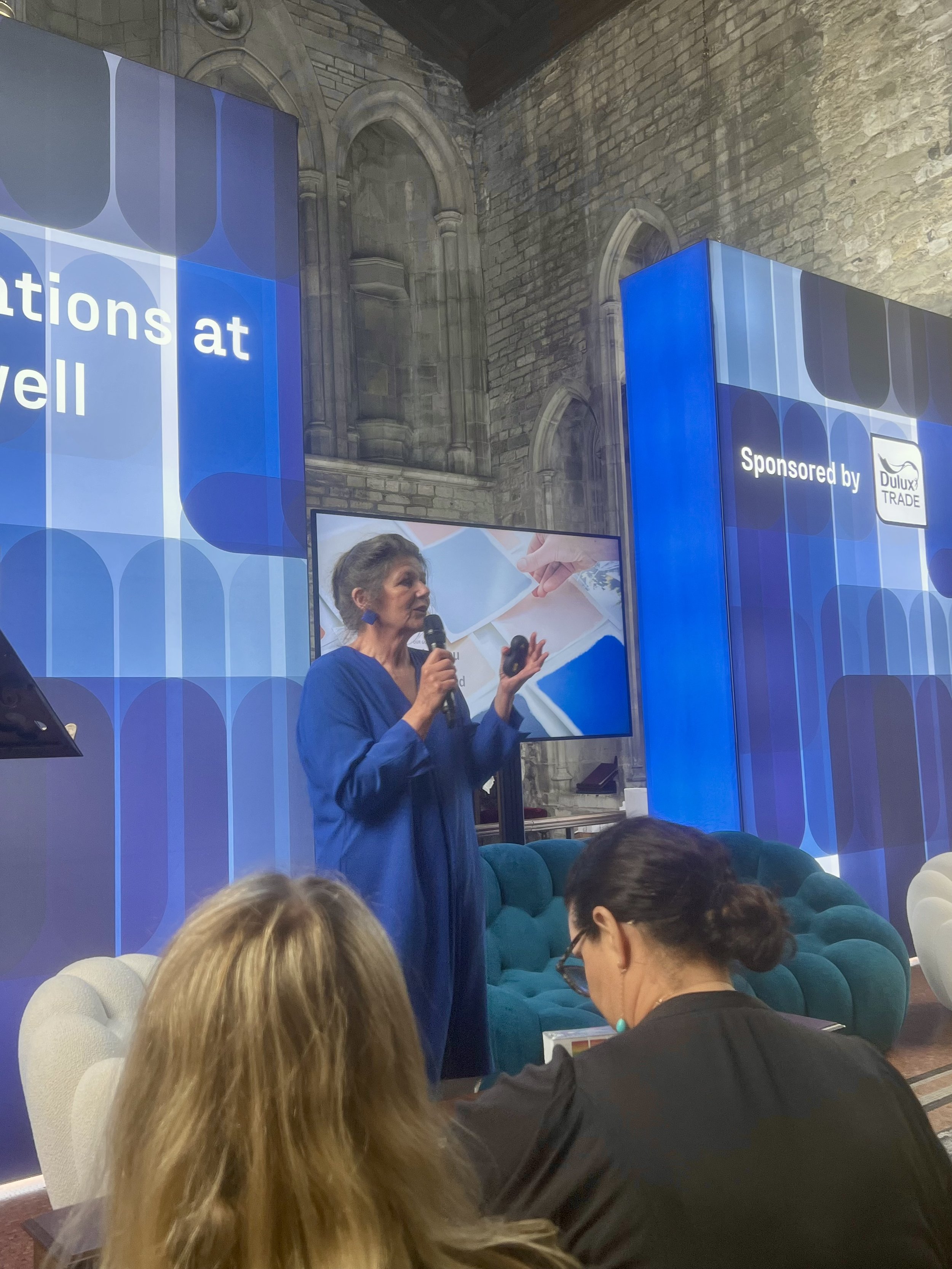
The topic was colour forecasting: how Dulux looks across 50 markets, reads the cultural moment, and predicts what colours will best reflect what we will need, crave, and also resist, in the coming years.
Because colour is a mirror. It reflects where we’re feeling collectively, and what we’re trying to restore. It has the power to soothe and energise in equal measure. And when you look at it properly, it tells a story about what people need.
Colour tells a story about what we need
Marianne shared a simple timeline showing us where we were, and how we got here:
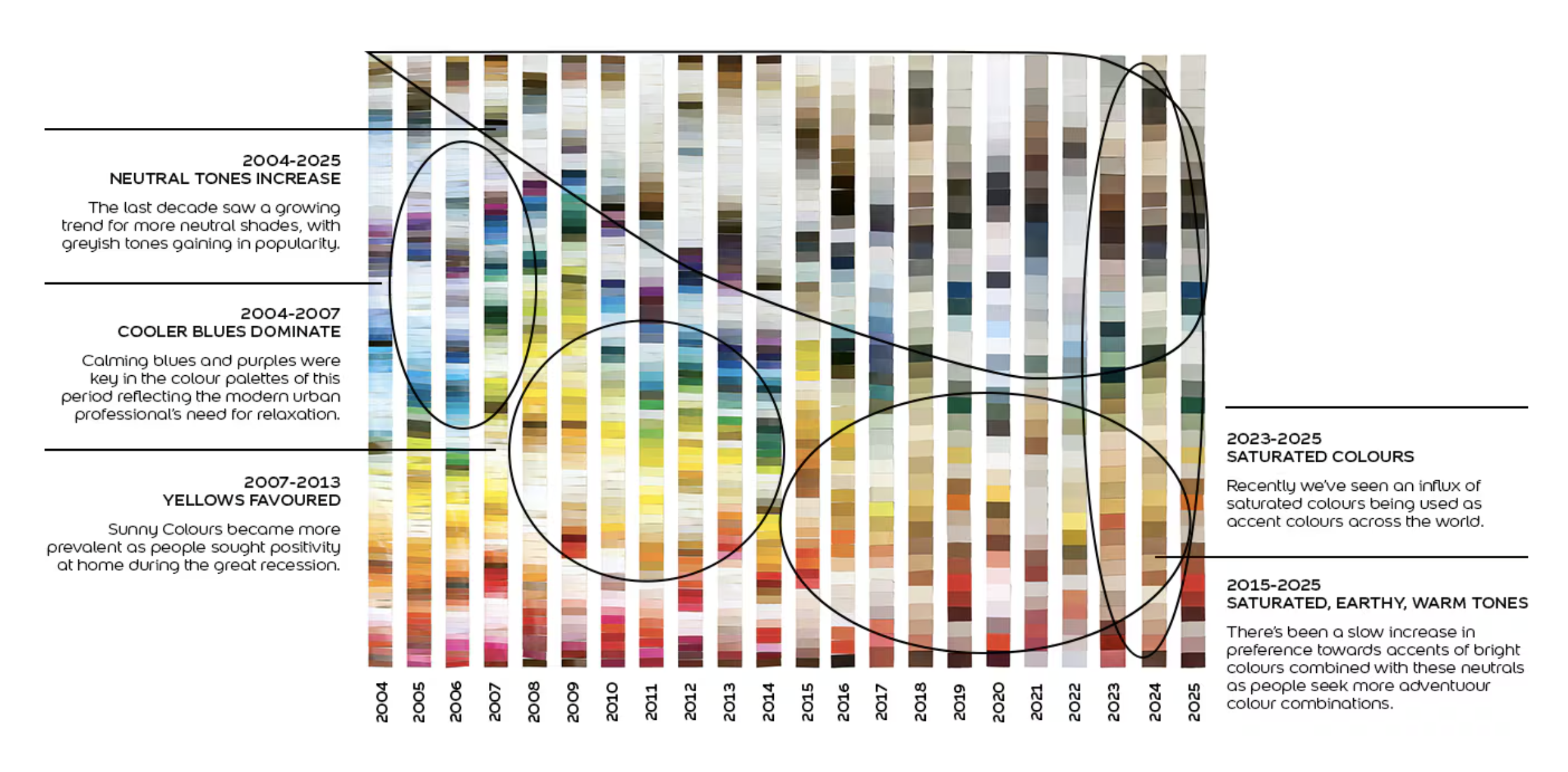
Image credit: Dulux
In the 2000s, neutrals dominated. We were stressed, working way beyond the 9-5. We needed calm.
After the 2008 financial crisis, colours became brighter and more energetic. We needed a splash of optimism in hard times.
Then came a period of warmer, more comforting shades.
And now? Calming blues, greens and warm naturals, providing familiarity and stillness in uncertainty.
It all makes sense, right? Not because colour is ‘predictable’, but because people are.
We have in-built systems that respond to pressure. Our coping mechanisms have us looking for relief and craving reassurance. We swing between stimulation and safety. And design reflects that right back at us.
That’s what makes colour forecasting so fascinating. You might think it’s fortune telling, but it’s not. It’s pattern recognition.
Image credit: Dulux
The insight for now: restoration
The insight Dulux’s global panel of experts identified for where we are now is all about restoration.
Our growing desire for stillness and silence. Our seeking out of spaces to recharge. Deliberate creation of intentional moments of joy.
The importance of real-life collaboration, listening properly and making room for other opinions. All of which got a bit lost in the social media age, and which we, particularly the younger generations, are determined to reclaim.
Marianne described three kinds of spaces that are emerging from this cultural moment:
A calm space
A friendly space
A carefree space
And the colour of this year? Blue.
Trustworthy, familiar and safe. Indigo-based, with ancient origins.
It’s hard not to understand the symbolism that lies in this choice. When everything feels fast, synthetic and a little out of control, we reach for something that feels grounded. Something that has a history, and that we can recognise and relate to beyond ‘it looks good’.
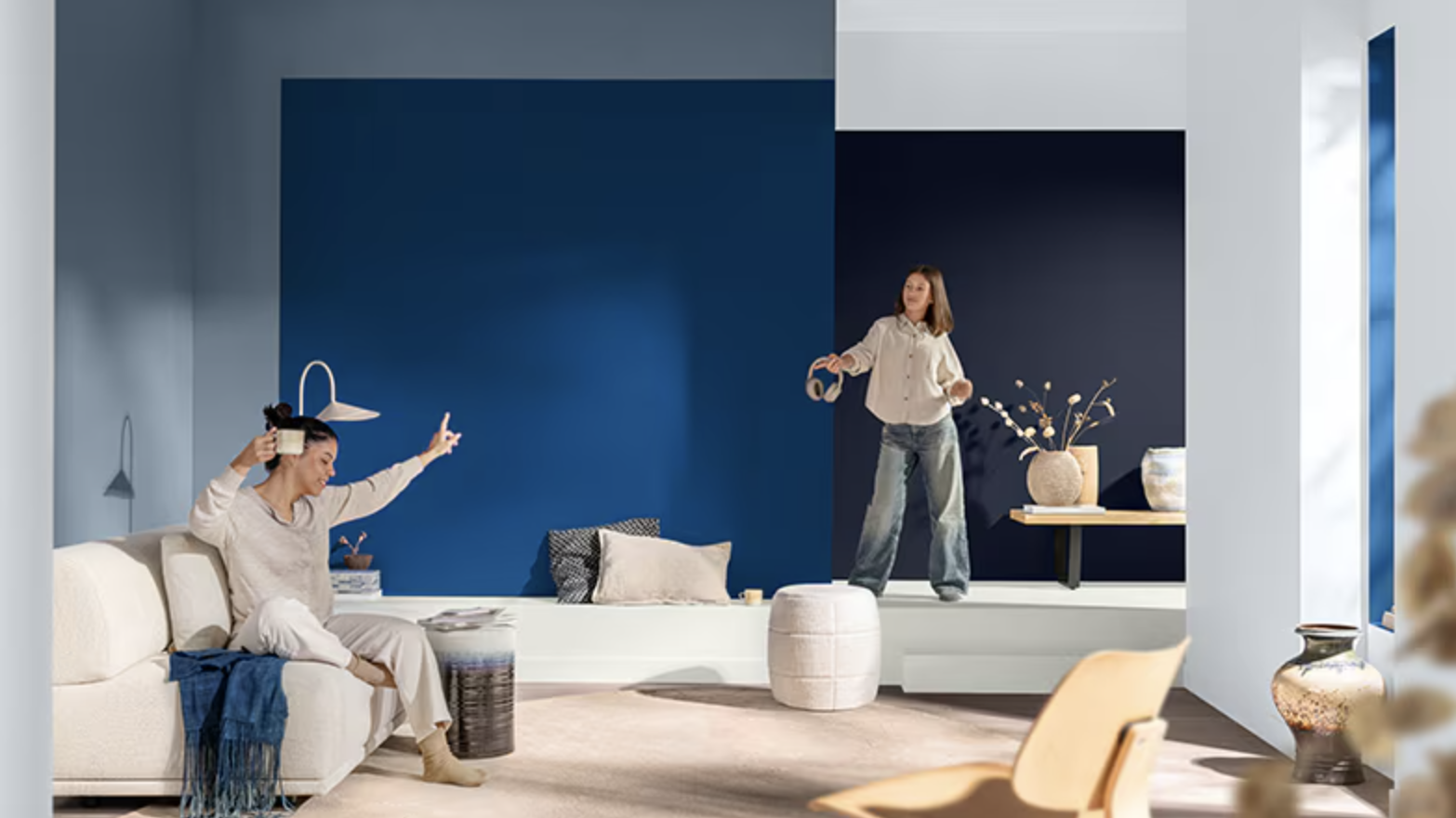
Image credit: Dulux
What this has to do with AI
Watching Marianne talk through the Colour Futures work, I kept thinking: this is a useful model for the AI era too.
Because we might be talking about paint, but we’re actually talking about human mindset: what people are craving, what they’re tired of, what they’re ready to return to.
I think that’s where we are going wrong with AI.
The temptation with this powerful new medium is to ask it to show us the future: to generate the ideal vision, tell us what the strategy should be and predict the next big thing more accurately than we ever could. But Marianne showed, very visually, why that’s not a good idea.
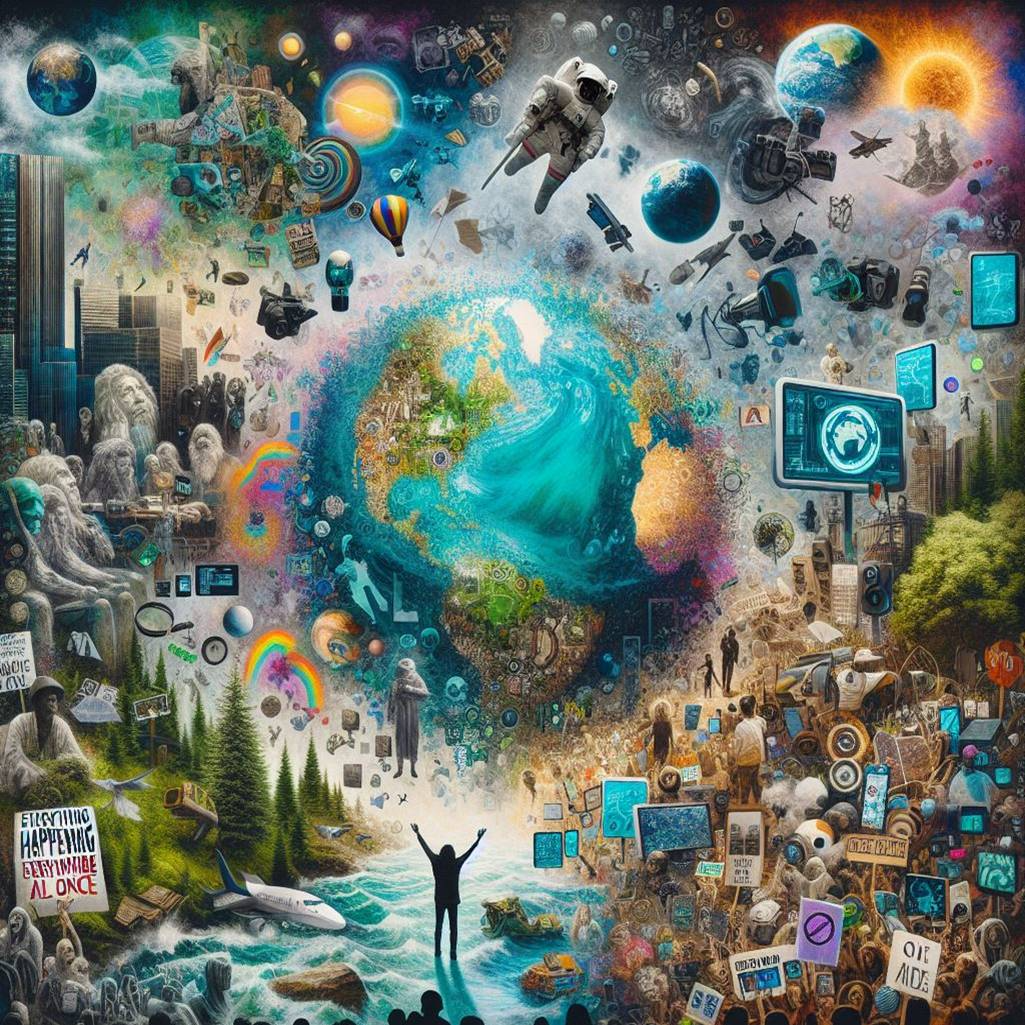
The AI-generated ‘future’, credit: Marianne Shillingford
AI doesn’t paint the future as we would want or need it to be. That’s our job. Our responsibility.
AI as collaborator, not oracle
If we use AI instead as a collaborator and a questioner, a way to test thinking and spot patterns, it becomes truly useful.
That’s what it is: a pattern recognition system. It isn’t a creative, it isn’t an author, it doesn’t come up with original ideas. But we do.
So it shouldn’t be used to replace our thinking and our judgement, but it can help us see what we might be missing as individuals in a much larger, constantly shifting collective.
But what does that mean, in practice?
Playing to the real strengths of AI could take the shape of:
Pulling themes from customer conversations and reviews
Summarising what’s happening across your market (without drowning in tabs)
Spotting repeated issues in your process
Generating alternatives when you’re stuck in one line of thinking
Stress-testing a plan: ‘what might make this fail?’
That’s incredibly similar to what good trend forecasting does.
It doesn’t hand you ‘the answer’ but instead lends you a clearer, more balanced view of the landscape, so you can make better decisions.
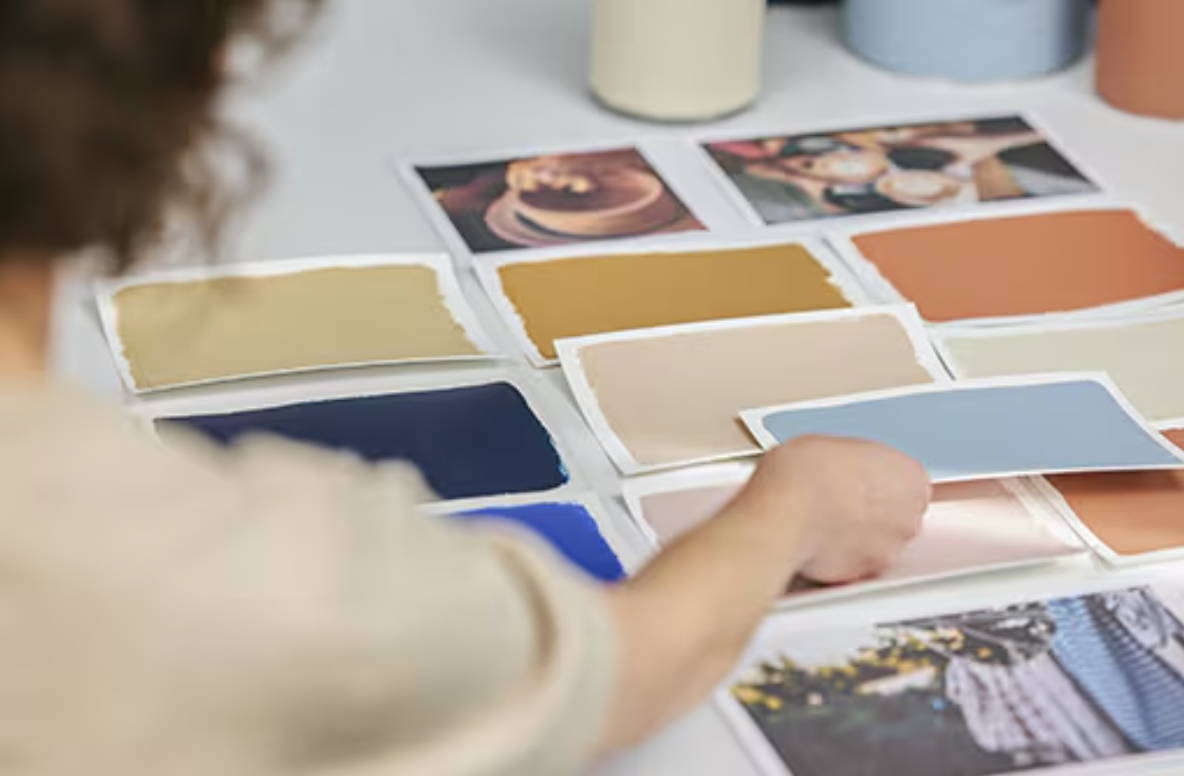
Image credit: Dulux
The reset towards the human
There was another thread running through the talk (and through Clerkenwell Design Week more broadly): a subtle reset.
After years of glossy perfection on social media and beyond, AI has revealed the cracks.
It turns out, perfection isn’t perfection at all.
The younger generations see it. They’re not dazzled by polish in the same way. They’re more interested in what’s real, and they want to leave their phones at home and practise their unlearned eye contact skills.
That’s good news for independent, design-led brands where the advantage has always been real: texture, the human fingerprint, standards of sourcing and care, the ability to make people feel something.
Content is everywhere. Consumption fatigue and AI-created scepticism are growing. In this environment, the brands that win will be the ones that take the pulse of their customers and the world they are living in, and respond in kind. They will hold up the mirror and show people something that makes them feel better.
Just like that indigo blue that feels so right for now…
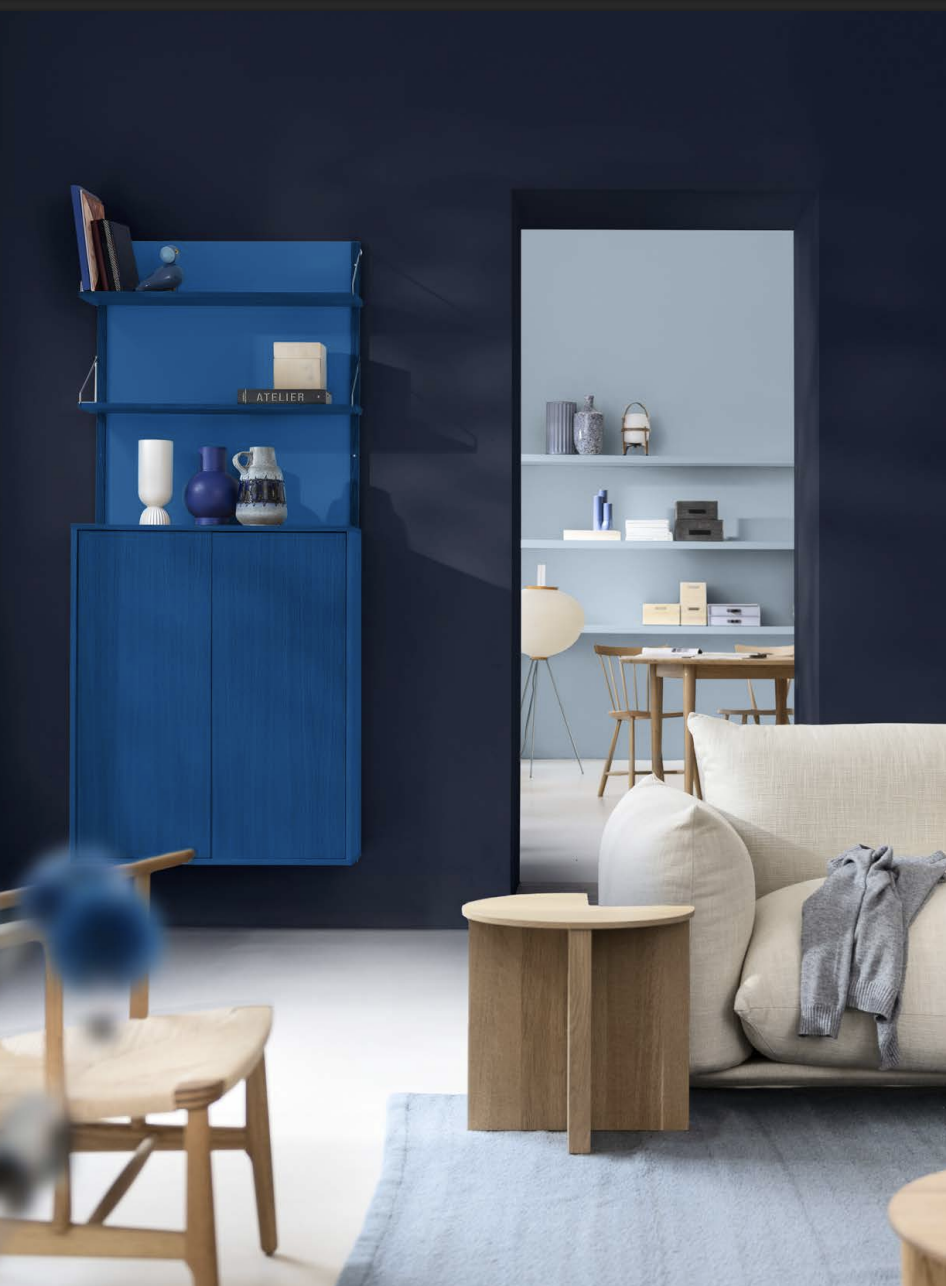
Image credit: Dulux
So what should we do with AI?
Rather than looking to AI to solve the future for us, we’re better off using the collective wisdom it holds to help us understand what we need now.
Then designing our businesses, and our world, to respond to that, with care.
